






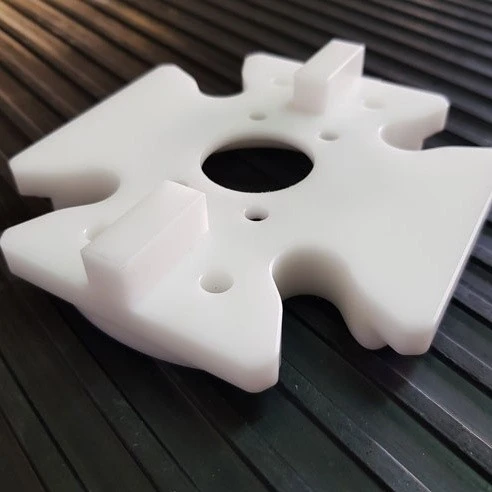
Prototype Plastic Parts
This play a crucial role in the product development cycle, serving as essential tools for testing, validation, and refinement before mass production. These parts are created using advanced manufacturing techniques to mimic the final product's design, functionality, and aesthetics, but at a fraction of the cost and time required for full-scale production.

- Product Introduction
Prototype Plastic Parts: The Key to Successful Product Development
This play a crucial role in the product development cycle, serving as essential tools for testing, validation, and refinement before mass production. These parts are created using advanced manufacturing techniques to mimic the final product's design, functionality, and aesthetics, but at a fraction of the cost and time required for full-scale production.
What are there?
Prototype plastic parts are three-dimensional representations of a product's design, typically created using various plastic materials such as ABS, nylon, polypropylene, and others. They allow manufacturers and designers to physically interact with and assess the product's form, fit, and function before committing to large-scale manufacturing.
Why Use this?
1. Testing and Validation: this parts enable manufacturers to test the product's performance under various conditions, ensuring that it meets the required specifications and standards. This includes mechanical testing, durability testing, and environmental testing to assess the product's resilience to extreme temperatures, chemicals, and other factors.
2. Design Refinement: By physically examining and interacting with this parts, designers can identify and address any flaws or imperfections in the product's design. This iterative process leads to a more refined and optimized final product.
3. Cost Savings: Creating this parts is significantly cheaper than producing full-scale prototypes or even small batches of the final product. This makes it possible for manufacturers to conduct multiple rounds of testing and refinement without breaking the bank.
4. Time Efficiency: this parts can be created quickly, often in just a few days or weeks, depending on the complexity of the design. This accelerated timeline allows manufacturers to bring products to market faster, gaining a competitive edge in the marketplace.
Manufacturing Techniques for this Parts
Several advanced manufacturing techniques are used to create this parts, including:
1. 3D Printing: One of the most popular methods for creating this parts. 3D printing allows for the precise and rapid creation of complex geometries and intricate details.
2. Injection Molding: A traditional manufacturing technique that is also used for this parts. Injection molding can produce larger quantities of parts more cost-effectively than 3D printing, but it requires longer setup times and higher initial investments.
3. Vacuum Casting: This method involves creating a mold from a 3D-printed prototype and then using that mold to cast plastic parts. Vacuum casting is suitable for producing a small number of high-quality this parts.
Conclusion
This parts are indispensable tools in the product development process. They enable manufacturers to test, validate, and refine their designs before committing to large-scale production, leading to more successful and profitable products. With the advent of advanced manufacturing techniques, creating prototype plastic parts has become faster, cheaper, and more accessible, making it possible for even small businesses and startups to benefit from this crucial stage of product development.
Hot Tags: prototype plastic parts, China prototype plastic parts manufacturers, suppliers, factory, Steel Metal Fabrication, Stainless Steel Product Manufacturing Process, Prototype Plastic Parts, general purpose processing, Hand Deburring Tool For Metal, Copper Sheet Products


