




What welding method is suitable for metal brackets?
 Dec 23, 2025|
 Hey there! As a metal bracket supplier, I often get asked about the best welding methods for different types of metal brackets. It's a crucial question because the right welding method can make all the difference in the quality, durability, and performance of the brackets. So, let's dive into this topic and explore which welding methods are suitable for various metal brackets.
Understanding Metal Brackets
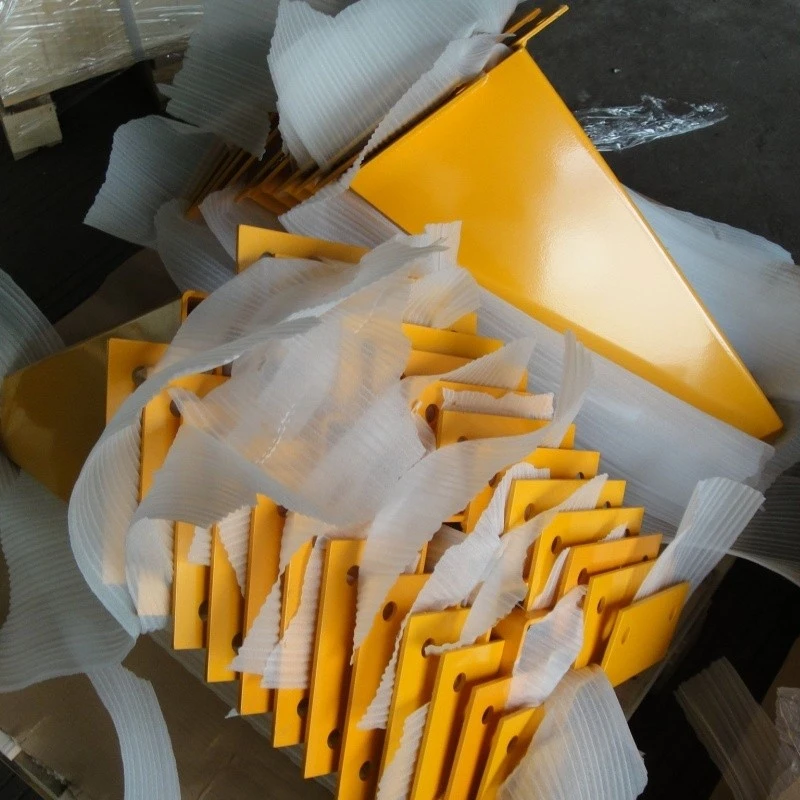
First off, let's talk a bit about metal brackets. They come in all shapes and sizes, and are used in a wide range of applications. For example, Guardrail Bracket is commonly used in construction to support guardrails, providing safety and stability. Circular Pipe Bracket is designed to hold circular pipes in place, which is essential in plumbing and industrial piping systems. And Car Seat Bracket is a critical component in automotive manufacturing, ensuring the safety and comfort of passengers.
Factors Affecting Welding Method Selection
Before we get into specific welding methods, it's important to understand the factors that influence the choice of welding method for metal brackets. These factors include:
- Material of the Bracket: Different metals have different properties, such as melting point, conductivity, and reactivity. For example, steel brackets can be welded using a variety of methods, while aluminum brackets require more specialized techniques due to their high thermal conductivity and oxide layer.
- Thickness of the Metal: Thicker metals generally require more powerful welding methods to ensure proper penetration and fusion. Thin metals, on the other hand, may be more prone to warping and require more precise control.
- Design and Shape of the Bracket: Complex shapes and designs may require welding methods that can access hard-to-reach areas or provide better control over the weld bead.
- Application and Load Requirements: Brackets used in high-stress applications, such as automotive or structural components, may require stronger and more reliable welds than those used in less demanding applications.
Common Welding Methods for Metal Brackets
1. MIG Welding (Metal Inert Gas Welding)
MIG welding is one of the most popular welding methods for metal brackets, especially for steel and aluminum brackets. It's a semi-automatic process that uses a continuous wire electrode and a shielding gas to protect the weld from oxidation. Here are some of the advantages of MIG welding:
- High Productivity: MIG welding is relatively fast, making it suitable for mass production of metal brackets.
- Ease of Use: It's relatively easy to learn and operate, even for beginners.
- Good Weld Quality: MIG welding produces clean, strong welds with minimal spatter.
- Versatility: It can be used to weld a variety of metals and thicknesses.
However, MIG welding also has some limitations. It requires a shielding gas, which can add to the cost, and it may not be suitable for welding in windy conditions.
2. TIG Welding (Tungsten Inert Gas Welding)
TIG welding is a more precise and high-quality welding method, often used for welding thin metals and for applications where aesthetics and weld quality are critical. It uses a non-consumable tungsten electrode and a shielding gas to create the weld. Here are the advantages of TIG welding:
- Precision: TIG welding allows for precise control over the weld bead, making it ideal for welding complex shapes and thin metals.
- High-Quality Welds: It produces clean, strong, and aesthetically pleasing welds with minimal distortion.
- Versatility: It can be used to weld a wide range of metals, including stainless steel, aluminum, and titanium.
The main drawback of TIG welding is its relatively low productivity compared to MIG welding. It also requires more skill and experience to operate effectively.
3. Stick Welding (Shielded Metal Arc Welding)
Stick welding is a simple and versatile welding method that uses a consumable electrode coated in flux to create the weld. It's commonly used for welding steel brackets, especially in outdoor and field applications. Here are the advantages of stick welding:
- Portability: Stick welding equipment is relatively simple and portable, making it suitable for on-site welding.
- Versatility: It can be used to weld a variety of metals and thicknesses, and it can be used in all positions.
- Cost-Effective: It's a relatively inexpensive welding method, especially for small-scale production.
However, stick welding produces more spatter and requires more cleanup compared to MIG and TIG welding. It also has a lower welding speed and may not be suitable for welding thin metals.
4. Spot Welding
Spot welding is a resistance welding method that uses electrical current to heat and fuse two metal surfaces together at specific points. It's commonly used for welding thin metal brackets, such as those used in automotive and electronics manufacturing. Here are the advantages of spot welding:
- Fast and Efficient: Spot welding is very fast, making it suitable for high-volume production.
- Minimal Distortion: It produces minimal distortion in the metal, which is important for maintaining the shape and dimensions of the bracket.
- No Filler Material Required: Spot welding does not require a filler material, which can reduce costs and simplify the welding process.
However, spot welding is limited to welding thin metals and may not be suitable for applications where a continuous weld is required.
Choosing the Right Welding Method for Specific Metal Brackets
Guardrail Brackets
Guardrail brackets are typically made of steel and are used in outdoor applications, where they need to withstand environmental factors and mechanical stress. MIG welding is a good choice for guardrail brackets because it offers high productivity, good weld quality, and the ability to weld thick steel. TIG welding can also be used for guardrail brackets, especially if a high-quality and aesthetically pleasing weld is required.
Circular Pipe Brackets
Circular pipe brackets can be made of various metals, including steel, aluminum, and copper. For steel pipe brackets, MIG or stick welding can be used, depending on the thickness of the metal and the production requirements. For aluminum pipe brackets, TIG welding is often the preferred method due to its ability to produce high-quality welds on aluminum.
Car Seat Brackets
Car seat brackets are critical safety components in automotive manufacturing, and they need to meet strict quality and performance standards. TIG welding is commonly used for car seat brackets because it provides precise control over the weld bead and produces high-quality, reliable welds. MIG welding can also be used for car seat brackets, but it may require more careful control to ensure the quality of the weld.

Conclusion
In conclusion, the choice of welding method for metal brackets depends on several factors, including the material, thickness, design, and application of the bracket. MIG welding is a popular choice for its high productivity and versatility, while TIG welding is preferred for applications where precision and weld quality are critical. Stick welding is suitable for outdoor and field applications, and spot welding is ideal for welding thin metals.
As a metal bracket supplier, we have the expertise and experience to select the right welding method for your specific needs. Whether you need guardrail brackets, circular pipe brackets, or car seat brackets, we can provide high-quality, reliable products that meet your requirements.
If you're interested in purchasing metal brackets or have any questions about welding methods, please don't hesitate to contact us. We'd be happy to discuss your needs and provide you with a customized solution.
References
- AWS Welding Handbook, American Welding Society
- Welding: Principles and Applications, Larry Jeffus