




What are the compressive strength properties of a car water tank bracket?
 Jan 22, 2026|
 As a car water tank bracket supplier, I have been deeply involved in understanding and exploring the compressive strength properties of these crucial components. The car water tank bracket plays a vital role in ensuring the stable and safe operation of the vehicle's cooling system. Therefore, a comprehensive understanding of its compressive strength properties is of utmost importance not only for product design and manufacturing but also for meeting the diverse needs of the automotive industry.
1. Significance of Compressive Strength in Car Water Tank Brackets
The car water tank bracket is responsible for securely holding the water tank in place within the vehicle's engine compartment. The engine environment is extremely harsh, experiencing continuous vibrations, temperature changes, and various mechanical forces. Under normal driving conditions, the water tank bracket needs to withstand the weight of the water tank itself, as well as the dynamic loads generated during vehicle acceleration, deceleration, and turning. Moreover, in case of sudden impacts or collisions, the bracket must be able to maintain its integrity and prevent the water tank from being displaced or damaged, which could lead to coolant leakage and a subsequent overheating of the engine.
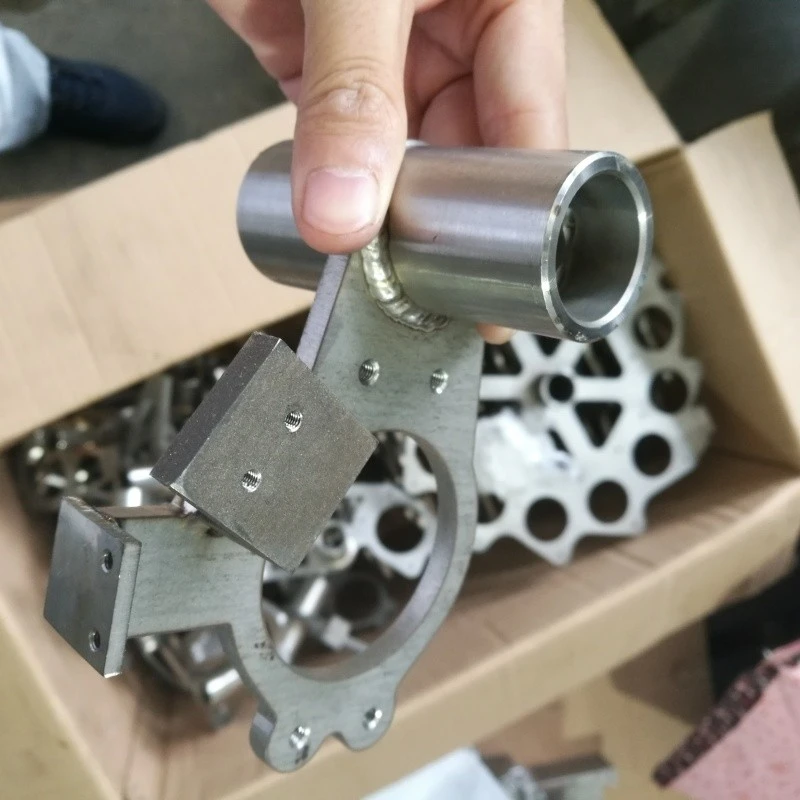

Compressive strength is a key factor in determining the reliability and durability of the car water tank bracket. If the compressive strength is insufficient, the bracket may deform or break under load, resulting in potential safety hazards and costly repairs. On the other hand, an overly high - designed compressive strength may lead to unnecessary material waste and increased production costs. Therefore, finding the optimal compressive strength is a balance that requires in - depth research and testing.
2. Factors Affecting the Compressive Strength of Car Water Tank Brackets
2.1 Material Selection
The choice of material has a profound impact on the compressive strength of the car water tank bracket. Common materials used for these brackets include steel, aluminum alloys, and composite materials.
- Steel: Steel is known for its high strength and good ductility. It can withstand relatively large compressive forces and is often used in heavy - duty and high - performance vehicles. However, steel is heavier than some other materials, which may increase the overall weight of the vehicle and affect fuel efficiency. different grades of steel have different mechanical properties, and suppliers need to select the appropriate steel grade based on the specific requirements of the bracket.
- Aluminum Alloys: Aluminum alloys offer a good combination of strength and light weight. They are widely used in modern vehicles to reduce weight and improve fuel economy. Some high - strength aluminum alloys can achieve compressive strength comparable to steel in certain applications. However, aluminum alloys are more sensitive to corrosion, and proper surface treatment is required to ensure their long - term performance.
- Composite Materials: Composite materials, such as carbon fiber composites, are becoming increasingly popular due to their high strength - to - weight ratio. They can provide excellent compressive strength while significantly reducing the weight of the bracket. However, the high cost of composite materials limits their widespread application, mainly used in high - end or specialized vehicles.
2.2 Geometric Design
The shape and structure of the car water tank bracket also play a significant role in its compressive strength. A well - designed bracket can distribute the load evenly, reducing stress concentration and improving the overall strength.
- Rib Design: Adding ribs to the bracket can increase its stiffness and compressive strength. Ribs can effectively resist bending and buckling under load, making the bracket more stable. The shape, size, and distribution of the ribs need to be carefully designed according to the specific load conditions and material properties.
- Cross - sectional Shape: Different cross - sectional shapes, such as circular, rectangular, or triangular, have different load - bearing capacities. For example, a circular cross - section has uniform stress distribution, which is beneficial for withstanding compressive forces. The choice of cross - sectional shape should be based on the space limitations in the engine compartment and the overall performance requirements of the bracket.
2.3 Manufacturing Process
The manufacturing process can also affect the compressive strength of the car water tank bracket.
- Casting: Casting is a common method for manufacturing brackets. The quality of the casting process, including the control of the molten metal temperature, pouring speed, and solidification time, can affect the internal structure and mechanical properties of the bracket. Defects such as porosity, shrinkage, and cracks in the casting can significantly reduce the compressive strength.
- Forging: Forging can improve the grain structure of the material, making it more dense and increasing its strength. Forged brackets generally have higher compressive strength than cast brackets. However, forging requires more complex equipment and processes, and the cost is relatively high.
3. Testing and Evaluation of Compressive Strength
To ensure the quality and performance of car water tank brackets, comprehensive testing and evaluation of compressive strength are necessary.
- Static Compression Testing: In static compression testing, a bracket sample is placed between two platens of a testing machine, and a gradually increasing compressive load is applied until the specimen fails. The maximum load that the bracket can withstand before failure is recorded as the ultimate compressive strength. This test can provide a basic understanding of the bracket's load - bearing capacity under static conditions.
- Dynamic Compression Testing: Dynamic compression testing simulates the actual working conditions of the bracket, including vibrations and impact loads. The bracket is subjected to cyclic compressive loads with different frequencies and amplitudes to evaluate its fatigue life and durability. This type of testing is more realistic and can better predict the long - term performance of the bracket in a real - world environment.
4. Our Products and Their Compressive Strength Advantages
As a professional car water tank bracket supplier, we are committed to providing high - quality products with excellent compressive strength properties.
- Material Advantage: We carefully select the materials for our brackets. For steel brackets, we use high - quality steel grades with strict quality control to ensure consistent and reliable compressive strength. For aluminum alloy brackets, we choose corrosion - resistant alloys and apply advanced surface treatment techniques to enhance their durability. In some high - end products, we also experiment with the use of composite materials to provide customers with more lightweight and high - strength options.
- Design Optimization: Our engineering team uses advanced design software to optimize the geometric structure of the brackets. Through finite element analysis (FEA), we can accurately predict the stress distribution and deformation of the bracket under different loads, and then adjust the design parameters to improve its compressive strength. For example, we optimize the rib design and cross - sectional shape to ensure the most efficient load - bearing capacity.
- Stringent Quality Control: Our manufacturing process is strictly monitored at every step. From material inspection to the final product testing, we follow strict quality control procedures. All our brackets are subjected to comprehensive compressive strength testing, including both static and dynamic tests, to ensure that they meet or exceed industry standards.
In addition to car water tank brackets, we also offer a wide range of other metal brackets, such as Circular Pipe Bracket, Car Seat Bracket, and Sheet Metal Bracket. These products also benefit from our expertise in material selection, design optimization, and quality control, providing customers with reliable and high - performance solutions.
5. Conclusion and Call to Action
In summary, the compressive strength properties of car water tank brackets are crucial for the safe and reliable operation of vehicles. By carefully considering factors such as material selection, geometric design, and manufacturing process, and through comprehensive testing and evaluation, we can produce high - quality brackets with excellent compressive strength.
If you are in the automotive industry and are looking for a reliable car water tank bracket supplier, we invite you to contact us for procurement negotiations. Our team of experts is ready to work with you to understand your specific requirements and provide you with the best - fitting solutions.
References
- Smith, J. K. (2018). Automotive Materials and Their Applications. Wiley.
- Jones, R. M. (2019). Mechanical Properties of Engineering Materials. Elsevier.
- Brown, A. B. (2020). Design and Manufacturing of Automotive Components. Cambridge University Press.