




What is the difference between heavy - duty and light - duty metal brackets?
 Oct 08, 2025|
Hey there! As a metal bracket supplier, I often get asked about the difference between heavy - duty and light - duty metal brackets. It's a pretty common question, and understanding these differences can be super important, whether you're a DIY enthusiast or a professional contractor. So, let's dive right in and break it down.
What Are Metal Brackets?
First off, if you're not sure what metal brackets are, they're basically structural components used to support, connect, or reinforce different parts of a structure. They come in all shapes and sizes and are made from various metals like steel, aluminum, and stainless steel. You can find them in a wide range of applications, from simple household projects to large - scale industrial setups. For example, Guardrail Bracket is used in construction to support guardrails, ensuring safety. And Sheet Metal Bracket is commonly used in furniture and electrical enclosures.
Light - Duty Metal Brackets
Let's start with light - duty metal brackets. These are the ones you'd typically use for less strenuous tasks. They're usually made from thinner gauge metals, which makes them more flexible and easier to work with.
Materials and Construction
Light - duty brackets are often made from materials like thin - gauge steel or aluminum. Aluminum, in particular, is popular because it's lightweight and resistant to corrosion. These brackets are usually formed through processes like stamping or bending, which are cost - effective and can produce brackets in large quantities.
Applications
You'll find light - duty brackets in many household and small - scale projects. For instance, they're great for hanging shelves in your home. You know those little brackets that hold up your bookshelf? Chances are, they're light - duty. They're also used in the automotive industry for things like Car Seat Bracket that don't need to bear a huge amount of weight. In electronics, light - duty brackets are used to mount circuit boards and other components inside enclosures.
Load Capacity
The load capacity of light - duty brackets is relatively low. They're designed to support light objects or components. For example, a light - duty shelf bracket might be able to hold up to 20 - 50 pounds, depending on its size and design. So, if you're planning to hang a heavy mirror or a large piece of equipment, these brackets probably aren't the best choice.
Cost
One of the big advantages of light - duty brackets is their cost. Since they use less material and are easier to manufacture, they're generally more affordable. This makes them a great option for budget - conscious projects or when you need a large number of brackets.
Heavy - Duty Metal Brackets
Now, let's talk about heavy - duty metal brackets. These are the workhorses of the bracket world.
Materials and Construction
Heavy - duty brackets are made from thicker and stronger metals, such as high - strength steel or thick - walled aluminum. They're often fabricated through processes like welding or machining, which ensure a more robust and durable construction. The extra thickness and strength of the materials make them capable of withstanding a lot of stress.
Applications
Heavy - duty brackets are used in industrial settings, construction projects, and any situation where a high level of support is required. In construction, they're used to support beams, columns, and other structural elements. In manufacturing, they're used to hold heavy machinery in place. For example, in a factory, heavy - duty brackets might be used to mount large conveyor belts or industrial robots.
Load Capacity
The load capacity of heavy - duty brackets is significantly higher than that of light - duty brackets. They can support hundreds or even thousands of pounds, depending on their design and size. A heavy - duty beam bracket, for example, might be able to support several tons of weight, making it essential for large - scale construction projects.
Cost
As you might expect, heavy - duty brackets are more expensive than light - duty ones. The higher cost is due to the more expensive materials and the more complex manufacturing processes involved. However, when you consider the high load capacity and durability they offer, the cost is often justified in the long run.
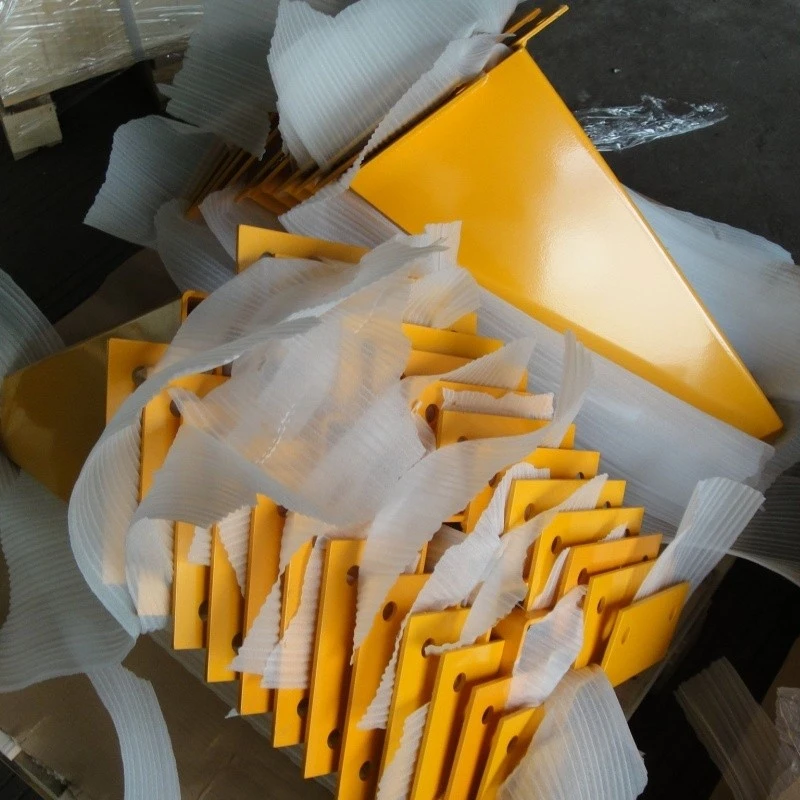

Key Differences Summarized
Let's quickly summarize the key differences between heavy - duty and light - duty metal brackets:
- Materials: Light - duty brackets use thinner gauge metals like thin steel or aluminum, while heavy - duty brackets use thicker, stronger metals like high - strength steel.
- Load Capacity: Light - duty brackets have a low load capacity, usually up to 50 pounds, while heavy - duty brackets can support hundreds or thousands of pounds.
- Manufacturing Processes: Light - duty brackets are often made through stamping or bending, while heavy - duty brackets are fabricated through welding or machining.
- Cost: Light - duty brackets are more affordable, while heavy - duty brackets are more expensive due to the materials and manufacturing processes.
- Applications: Light - duty brackets are used in household and small - scale projects, while heavy - duty brackets are used in industrial and large - scale construction projects.
Choosing the Right Bracket
So, how do you choose between heavy - duty and light - duty metal brackets? Well, it all comes down to your specific needs. Here are some things to consider:
- Load Requirements: First and foremost, think about how much weight the bracket needs to support. If you're hanging a small picture frame, a light - duty bracket will do just fine. But if you're building a large industrial structure, you'll definitely need heavy - duty brackets.
- Environment: Consider the environment where the bracket will be used. If it's going to be exposed to moisture or chemicals, you might want to choose a bracket made from a corrosion - resistant material like stainless steel or aluminum.
- Budget: Your budget is also an important factor. If you're on a tight budget, light - duty brackets might be the way to go. But if you need a high - quality, long - lasting solution, investing in heavy - duty brackets could save you money in the long run by reducing the need for replacements.
Why Choose Our Metal Brackets?
As a metal bracket supplier, we offer a wide range of both heavy - duty and light - duty brackets. Our brackets are made from high - quality materials and are manufactured to the highest standards. We have a team of experts who can help you choose the right bracket for your specific application. Whether you need a custom - designed bracket or a standard one, we've got you covered.
If you're in the market for metal brackets, whether it's a Guardrail Bracket, Sheet Metal Bracket, or Car Seat Bracket, we'd love to talk to you. We can provide you with detailed product information, pricing, and samples if needed. Don't hesitate to reach out to us for a quote or to discuss your project requirements. We're here to help you find the perfect metal bracket solution.
References
- "Metal Bracket Handbook" - A comprehensive guide on different types of metal brackets and their applications.
- Industry reports on the manufacturing and use of metal brackets in construction and automotive industries.