




What are the standards for the punching pattern on cabinet sheet metal?
 Oct 30, 2025|
In the realm of cabinet sheet metal manufacturing, the punching pattern is a critical aspect that significantly influences the functionality, aesthetics, and overall quality of the final product. As a seasoned cabinet sheet metal supplier, I have witnessed firsthand the importance of adhering to specific standards when it comes to punching patterns. In this blog post, I will delve into the key standards for punching patterns on cabinet sheet metal, sharing insights based on my years of experience in the industry.
Material Considerations
The choice of material for cabinet sheet metal plays a fundamental role in determining the punching pattern standards. Different metals have varying properties, such as hardness, ductility, and thickness, which directly impact the punching process. For instance, stainless steel is known for its high strength and corrosion resistance, but it can be more challenging to punch compared to softer metals like aluminum. When working with stainless steel, it is crucial to use appropriate punching tools and techniques to avoid excessive wear and tear on the equipment.
The thickness of the sheet metal also affects the punching pattern. Thicker sheets require more force to punch through, which may necessitate the use of larger punching dies and more powerful punching machines. Additionally, the punching pattern should be designed to accommodate the material's thickness to ensure clean and precise holes. For example, if the sheet metal is too thick, the holes may not be fully punched through, resulting in burrs or uneven edges.
Hole Size and Spacing
The size and spacing of the holes in the punching pattern are essential factors to consider. The hole size should be determined based on the intended use of the cabinet. For example, if the cabinet is designed to house electronic components, the holes may need to be sized to accommodate cables, connectors, or ventilation requirements. In general, the hole size should be consistent throughout the punching pattern to ensure uniformity and functionality.
The spacing between the holes is equally important. Adequate spacing is necessary to prevent the sheet metal from weakening or deforming during the punching process. If the holes are too close together, the metal may crack or break, compromising the structural integrity of the cabinet. On the other hand, if the holes are too far apart, it may not meet the design requirements or provide sufficient ventilation or access points. A common rule of thumb is to maintain a minimum distance between holes that is at least equal to the diameter of the holes.
Hole Shape and Geometry
The shape and geometry of the holes in the punching pattern can also vary depending on the application. While circular holes are the most common, other shapes such as square, rectangular, or oval may be required for specific purposes. For example, square holes may be used for mounting brackets or switches, while oval holes can provide more flexibility for aligning components.
In addition to the shape, the geometry of the holes, such as the angle of the edges or the presence of chamfers, can also impact the punching process and the performance of the cabinet. Chamfered edges can help prevent sharp edges that may cause injury or damage to components, while angled holes may be necessary for proper alignment or drainage.

Punching Precision and Tolerance
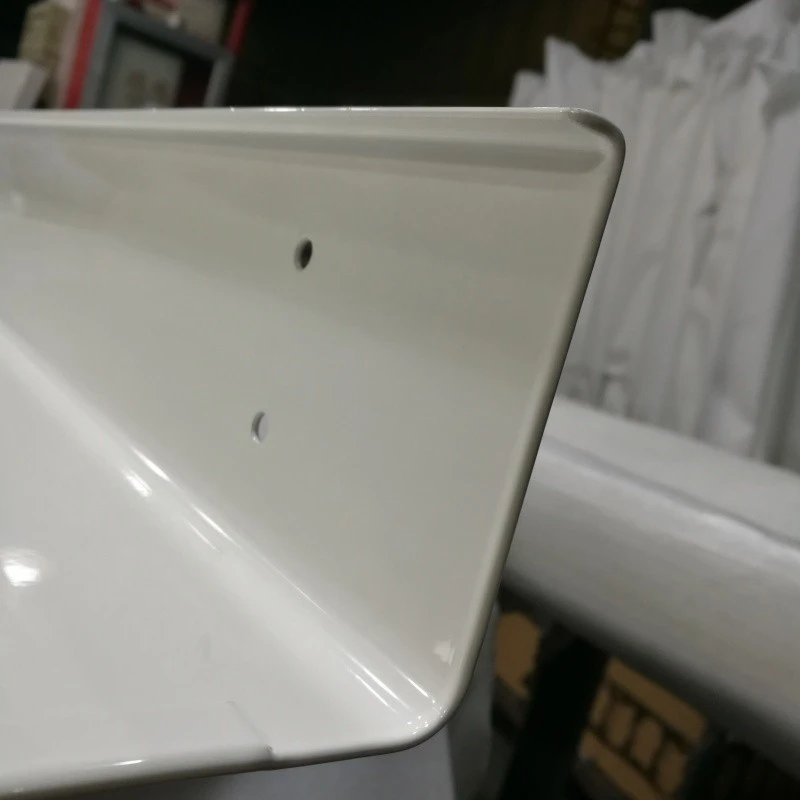
Precision is crucial when it comes to punching patterns on cabinet sheet metal. The holes should be punched with high accuracy to ensure proper fit and functionality. This requires the use of advanced punching equipment and techniques, as well as skilled operators who can maintain tight tolerances.
Tolerance refers to the allowable deviation from the specified dimensions of the holes. In the cabinet sheet metal industry, tight tolerances are typically required to ensure that the components fit together correctly and that the cabinet meets the design specifications. For example, a tolerance of ±0.1 mm may be specified for the hole diameter, which means that the actual hole size should be within 0.1 mm of the specified size.
Surface Finish and Quality
The surface finish of the punched holes is another important consideration. A smooth and clean surface finish is desirable to prevent corrosion, improve the appearance of the cabinet, and ensure proper contact with components. After punching, the holes may need to be deburred or polished to remove any sharp edges or burrs.
In addition to the surface finish of the holes, the overall quality of the punching pattern should be inspected to ensure that there are no defects such as cracks, tears, or misaligned holes. Quality control measures, such as visual inspection, dimensional measurement, and functional testing, should be implemented throughout the manufacturing process to ensure that the punching pattern meets the required standards.
Industry Standards and Regulations
In addition to the internal standards and best practices, the cabinet sheet metal industry is also subject to various external standards and regulations. These standards may cover aspects such as safety, environmental protection, and quality control. For example, the International Electrotechnical Commission (IEC) has established standards for the design and construction of electrical enclosures, which include requirements for punching patterns and hole sizes.
As a responsible cabinet sheet metal supplier, it is our obligation to stay up-to-date with the latest industry standards and regulations and ensure that our products comply with these requirements. This not only helps us provide high-quality products to our customers but also ensures the safety and reliability of the cabinets in various applications.
Applications and Examples
The punching pattern on cabinet sheet metal is used in a wide range of applications across different industries. Here are some examples:
- Electronic Housing Sheet Metal: In the electronics industry, cabinet sheet metal with precise punching patterns is used to house electronic components such as circuit boards, power supplies, and displays. The punching pattern provides ventilation, access points for cables, and mounting holes for components.
- Sheet Metal Packaging Shell: Sheet metal packaging shells are used to protect and transport various products. The punching pattern can be designed to provide ventilation, shock absorption, and access points for handling or inspection.
- Machine Sheet Metal: In the machinery industry, cabinet sheet metal is used to enclose and protect mechanical and electrical components. The punching pattern may include holes for cooling fans, control panels, and maintenance access.
Conclusion
In conclusion, the standards for the punching pattern on cabinet sheet metal are multifaceted and require careful consideration of various factors such as material properties, hole size and spacing, hole shape and geometry, punching precision and tolerance, surface finish and quality, and industry standards and regulations. As a cabinet sheet metal supplier, we are committed to providing high-quality products that meet the specific requirements of our customers.
If you are in need of cabinet sheet metal with precise punching patterns, we invite you to contact us for a consultation. Our team of experts will work closely with you to understand your needs and provide customized solutions that meet your expectations. We look forward to the opportunity to serve you and contribute to the success of your projects.
References
- ASME Y14.5 - Dimensioning and Tolerancing
- IEC 60529 - Degrees of Protection Provided by Enclosures (IP Code)
- ISO 9001 - Quality Management Systems