




What are the installation precautions for a guardrail bracket?
 Jan 14, 2026|
Hey there! As a guardrail bracket supplier, I've seen firsthand how important it is to get the installation right. A poorly installed guardrail bracket can not only look bad but also pose a serious safety risk. So, in this blog post, I'm gonna share some key installation precautions for guardrail brackets that you should keep in mind.
1. Site Inspection
Before you even start thinking about installing the guardrail brackets, you need to do a thorough site inspection. This step is crucial because it helps you identify any potential issues that could affect the installation process.
First off, check the surface where you'll be installing the brackets. It should be flat and stable. If the surface is uneven, the brackets might not sit properly, which can lead to instability. For example, if you're installing guardrail brackets on a concrete floor, make sure there are no cracks or bumps. If there are, you might need to repair the surface before proceeding.
Also, take a look at the surrounding area. Are there any obstacles that could interfere with the installation? Maybe there are pipes, cables, or other structures in the way. You'll need to plan around these obstacles to ensure a smooth installation.
2. Choosing the Right Bracket
Not all guardrail brackets are created equal. You need to choose the right bracket for your specific application. Consider factors like the type of guardrail you're using, the load it will need to bear, and the environment it will be in.
For instance, if you're installing a guardrail in an outdoor area that's exposed to the elements, you'll want to choose a bracket that's made of a corrosion-resistant material, like stainless steel. On the other hand, if the guardrail is for an indoor application with a relatively low load, a mild steel bracket might be sufficient.

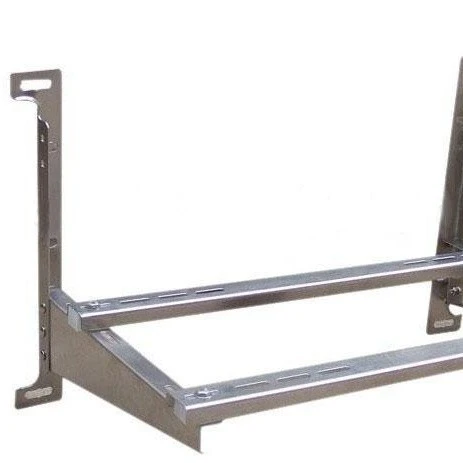
If you're unsure which bracket is right for you, don't hesitate to reach out to us. We've got a wide range of guardrail brackets, and our team can help you make the best choice based on your needs. And while you're at it, check out our Car Seat Bracket and Excavator Control Bracket options too. They're also top-quality products that meet different industry requirements.
3. Proper Tools and Equipment
Using the right tools and equipment is essential for a successful installation. Make sure you have all the necessary tools on hand before you start. Some common tools you'll need include a drill, wrenches, a level, and a measuring tape.
The drill is used to create holes in the surface for the bracket to be attached. Make sure you use the correct drill bit size for the screws or bolts you'll be using. Using the wrong size can result in a loose fit, which can compromise the stability of the guardrail.
A level is important to ensure that the guardrail is installed straight. If the guardrail is not level, it can look unprofessional and may not function properly. And a measuring tape is used to ensure accurate placement of the brackets.
4. Following the Manufacturer's Instructions
This might seem like a no-brainer, but you'd be surprised how many people skip this step. The manufacturer's instructions are there for a reason. They provide detailed information on how to install the bracket correctly.
Read the instructions carefully before you start the installation. Pay attention to things like the recommended torque settings for the screws or bolts, the spacing between brackets, and any special installation procedures. Following these instructions will help ensure that the guardrail bracket is installed safely and effectively.
5. Safety Precautions
Safety should always be your top priority when installing guardrail brackets. Wear appropriate safety gear, such as safety glasses, gloves, and a hard hat if necessary.
If you're working at a height, make sure you use proper fall protection equipment, like a safety harness and a scaffolding or ladder that's in good condition. Also, be careful when handling tools and materials to avoid injuries.
6. Quality Control
Once the guardrail brackets are installed, it's important to do a quality control check. Inspect the brackets to make sure they're properly attached and that the guardrail is secure.
Check for any signs of damage or loose connections. Make sure the guardrail is level and that it can withstand a reasonable amount of force. If you notice any issues, address them immediately to prevent any potential safety hazards.
7. Maintenance Considerations
After the installation is complete, you need to think about maintenance. Regular maintenance will help ensure the longevity and safety of the guardrail brackets.
Inspect the brackets periodically for signs of corrosion, wear, or damage. If you notice any issues, replace the damaged parts as soon as possible. And if you're using brackets in an outdoor environment, consider applying a protective coating to prevent corrosion.
In addition to the above precautions, you might also be interested in our Stainless Steel Supports for Air Conditioners. They're designed to provide reliable support for air conditioning units, and they follow similar installation and maintenance principles.
Well, that's all for the installation precautions for guardrail brackets. I hope this information is helpful to you. If you have any questions or if you're interested in purchasing guardrail brackets, feel free to get in touch with us. We're here to help you with all your bracket needs.
References
- General knowledge from years of experience in the guardrail bracket supply industry.
- Manufacturer's guidelines for various guardrail bracket products.