




What are the finishing processes for machine sheet metal?
 Jul 29, 2025|
 In the manufacturing industry, machine sheet metal plays a crucial role in various applications. As a leading supplier of Machine Sheet Metal, we understand the importance of the finishing processes in enhancing the functionality, durability, and aesthetics of the final products. This blog post will delve into the different finishing processes for machine sheet metal, providing insights into their benefits and applications.
1. Painting
Painting is one of the most common finishing processes for machine sheet metal. It not only enhances the appearance of the metal but also provides protection against corrosion, abrasion, and environmental factors. There are several types of paints available for sheet metal, including enamel, epoxy, and powder coatings.
- Enamel Paint: Enamel paint is a popular choice for sheet metal due to its high gloss finish and excellent durability. It is resistant to chipping, scratching, and fading, making it suitable for applications where the metal is exposed to harsh conditions. Enamel paint can be applied using a brush, spray gun, or roller, depending on the size and shape of the sheet metal.
- Epoxy Paint: Epoxy paint is a two-component paint that offers superior adhesion and chemical resistance. It is commonly used in industrial applications where the metal needs to withstand high temperatures, chemicals, and abrasion. Epoxy paint can be applied using a spray gun or brush, and it requires a longer drying time compared to enamel paint.
- Powder Coating: Powder coating is a dry finishing process that involves applying a fine powder to the sheet metal surface using an electrostatic charge. The powder is then heated to form a hard, durable finish. Powder coating offers several advantages over traditional liquid paints, including better coverage, increased durability, and environmental friendliness. It is available in a wide range of colors and finishes, making it suitable for various applications.
2. Plating
Plating is another important finishing process for machine sheet metal. It involves depositing a thin layer of metal onto the surface of the sheet metal to improve its appearance, corrosion resistance, and conductivity. There are several types of plating processes available, including electroplating, electroless plating, and hot-dip galvanizing.
- Electroplating: Electroplating is a process that uses an electric current to deposit a layer of metal onto the sheet metal surface. The most common metals used for electroplating include nickel, chrome, and gold. Electroplating offers several benefits, including improved corrosion resistance, increased hardness, and enhanced aesthetics. It is commonly used in the automotive, aerospace, and electronics industries.
- Electroless Plating: Electroless plating is a chemical process that deposits a layer of metal onto the sheet metal surface without the use of an electric current. The most common metals used for electroless plating include nickel, copper, and silver. Electroless plating offers several advantages over electroplating, including better coverage, increased uniformity, and improved adhesion. It is commonly used in the electronics, medical, and automotive industries.
- Hot-Dip Galvanizing: Hot-dip galvanizing is a process that involves immersing the sheet metal in a bath of molten zinc to form a protective coating. The zinc coating provides excellent corrosion resistance and durability, making it suitable for applications where the metal is exposed to harsh environments. Hot-dip galvanizing is commonly used in the construction, automotive, and agricultural industries.
3. Anodizing
Anodizing is a finishing process that involves creating an oxide layer on the surface of the sheet metal to improve its corrosion resistance, wear resistance, and aesthetics. It is commonly used on aluminum and aluminum alloys due to their high reactivity with oxygen. Anodizing can be performed using different methods, including sulfuric acid anodizing, chromic acid anodizing, and hard anodizing.
- Sulfuric Acid Anodizing: Sulfuric acid anodizing is the most common method of anodizing aluminum. It involves immersing the sheet metal in a bath of sulfuric acid and applying an electric current to create an oxide layer on the surface. Sulfuric acid anodizing offers several benefits, including excellent corrosion resistance, increased hardness, and enhanced aesthetics. It is commonly used in the architectural, automotive, and electronics industries.
- Chromic Acid Anodizing: Chromic acid anodizing is a less common method of anodizing aluminum. It involves immersing the sheet metal in a bath of chromic acid and applying an electric current to create an oxide layer on the surface. Chromic acid anodizing offers several advantages over sulfuric acid anodizing, including better corrosion resistance, increased flexibility, and improved adhesion. It is commonly used in the aerospace, military, and electronics industries.
- Hard Anodizing: Hard anodizing is a specialized method of anodizing aluminum that creates a thicker, harder oxide layer on the surface. It involves using a higher current density and lower temperature compared to sulfuric acid anodizing. Hard anodizing offers several benefits, including excellent wear resistance, increased hardness, and improved corrosion resistance. It is commonly used in the automotive, aerospace, and industrial industries.
4. Polishing
Polishing is a finishing process that involves smoothing the surface of the sheet metal to improve its appearance and reduce friction. It can be performed using different methods, including mechanical polishing, chemical polishing, and electro-polishing.
- Mechanical Polishing: Mechanical polishing is a process that involves using abrasive materials to smooth the surface of the sheet metal. It can be performed using a variety of tools, including sandpaper, polishing wheels, and buffing pads. Mechanical polishing offers several benefits, including improved aesthetics, reduced friction, and increased durability. It is commonly used in the automotive, aerospace, and jewelry industries.
- Chemical Polishing: Chemical polishing is a process that involves using chemicals to dissolve the surface layer of the sheet metal and create a smooth, shiny finish. It can be performed using a variety of chemicals, including acids, alkalis, and oxidizing agents. Chemical polishing offers several advantages over mechanical polishing, including better uniformity, increased efficiency, and reduced environmental impact. It is commonly used in the electronics, medical, and food industries.
- Electro-Polishing: Electro-polishing is a process that involves using an electric current to dissolve the surface layer of the sheet metal and create a smooth, shiny finish. It is similar to electroplating but involves removing metal instead of depositing it. Electro-polishing offers several benefits, including improved aesthetics, reduced friction, and increased corrosion resistance. It is commonly used in the pharmaceutical, food, and beverage industries.
5. Laser Marking
Laser marking is a finishing process that involves using a laser beam to create a permanent mark on the surface of the sheet metal. It can be used to add logos, serial numbers, barcodes, and other information to the metal. Laser marking offers several advantages over traditional marking methods, including high precision, permanent marking, and no contact with the metal surface.
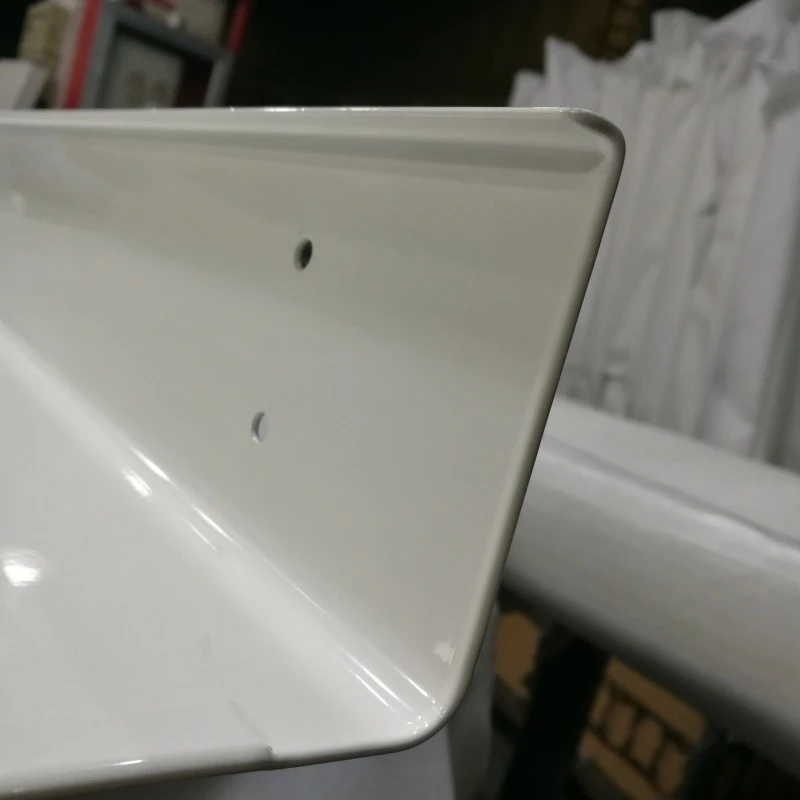

- Advantages of Laser Marking: Laser marking offers several advantages over traditional marking methods, including high precision, permanent marking, and no contact with the metal surface. It can be used to mark a wide range of materials, including metals, plastics, ceramics, and glass. Laser marking is also environmentally friendly, as it does not produce any waste or emissions.
- Applications of Laser Marking: Laser marking is commonly used in the automotive, aerospace, electronics, and medical industries. It can be used to mark parts, components, and products with important information, such as serial numbers, barcodes, and logos. Laser marking is also used in the jewelry industry to engrave designs and patterns on metal surfaces.
Conclusion
In conclusion, the finishing processes for machine sheet metal play a crucial role in enhancing the functionality, durability, and aesthetics of the final products. As a leading supplier of Machine Sheet Metal, we offer a wide range of finishing processes to meet the diverse needs of our customers. Whether you need painting, plating, anodizing, polishing, or laser marking, we have the expertise and equipment to provide high-quality finishing solutions.
If you are interested in our Machine Sheet Metal products or services, please feel free to contact us for more information. We look forward to discussing your requirements and providing you with the best solutions for your needs. Whether you are in the market for Sheet Metal Packaging Shell or Cabinet Sheet Metal, we are here to assist you in your procurement process.
References
- ASM Handbook Volume 5: Surface Engineering. ASM International.
- Metal Finishing Guidebook. Industrial Press Inc.
- Modern Electroplating. John Wiley & Sons.