




What are the disadvantages of using a guardrail bracket?
 Dec 04, 2025|
 Hey there! I'm a supplier of Guardrail Brackets, and today I wanna have an open and honest chat about the disadvantages of using these brackets. Now, don't get me wrong, I'm in the business of selling these things, but I believe in giving you the full picture.
1. Cost Considerations
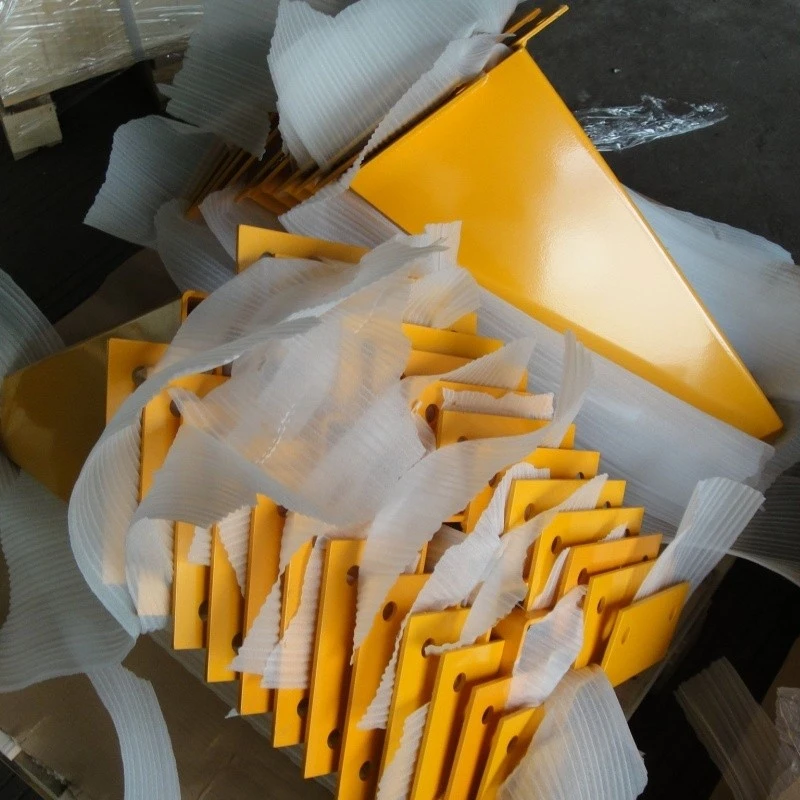
First off, let's talk money. Guardrail brackets can be pretty pricey. The materials used to make them, like high - strength steel or corrosion - resistant alloys, come at a cost. And then there's the manufacturing process. Precision machining and quality control measures add to the overall expense.
For small - scale projects or DIY enthusiasts on a tight budget, the cost of guardrail brackets can be a real deterrent. You might find yourself looking at other, cheaper alternatives like wooden supports or simpler metal brackets. But remember, cheaper isn't always better, and in the long run, those alternatives might not offer the same level of safety and durability.
If you're in the market for other types of metal brackets, you can check out Stainless Steel Supports for Air Conditioners and Square Tube Bracket. They might be more suitable for your specific needs and budget.
2. Installation Complexity
Installing guardrail brackets isn't a walk in the park. It often requires specialized tools and skills. You need to make sure the brackets are properly aligned and securely fastened to the surface. If the installation is done incorrectly, it can seriously compromise the safety of the guardrail.
For example, if the brackets aren't tightened enough, the guardrail might wobble or even come loose over time. On the other hand, over - tightening can damage the brackets or the surface they're attached to. This means you either have to hire a professional installer, which adds to the cost, or spend a lot of time learning how to do it right yourself.
3. Maintenance Requirements
Guardrail brackets need regular maintenance to keep them in good working condition. Depending on the material, they can be susceptible to corrosion, especially in harsh environments like coastal areas or industrial zones. Rust can weaken the brackets and reduce their load - bearing capacity.
You'll need to inspect the brackets regularly for signs of damage, such as cracks or excessive wear. And if you notice any issues, you'll have to repair or replace the brackets promptly. This ongoing maintenance can be time - consuming and costly in the long run.
4. Limited Aesthetic Appeal
Let's face it, guardrail brackets aren't always the most attractive things. They're often bulky and industrial - looking, which can clash with the overall aesthetic of a building or outdoor space. If you're going for a sleek, modern look, these brackets might not fit the bill.
In some cases, you might need to spend extra time and money on covering or disguising the brackets to make them blend in better. This can add to the overall cost and complexity of the project.
5. Compatibility Issues
Guardrail brackets are designed to work with specific types of guardrails and surfaces. If you try to use a bracket that isn't compatible with your guardrail or the surface you're attaching it to, you're likely to run into problems.
For example, if the bracket is too big or too small for the guardrail, it won't fit properly. And if the surface isn't suitable for the type of bracket you're using, it might not be able to support the weight of the guardrail. This means you need to do your research and make sure you're choosing the right bracket for your specific application. You can find more information about guardrail brackets on Guardrail Bracket.
6. Environmental Impact
The production of guardrail brackets can have a significant environmental impact. The mining of raw materials, such as iron and aluminum, can cause habitat destruction and pollution. And the manufacturing process often involves energy - intensive processes that contribute to greenhouse gas emissions.
If you're environmentally conscious, you might be concerned about the carbon footprint of using guardrail brackets. There are some eco - friendly alternatives available, but they might not always offer the same level of performance.
7. Liability Concerns
As a supplier, I have to mention liability. If a guardrail bracket fails and causes injury or property damage, there can be legal consequences. This means that both the supplier and the installer need to make sure that the brackets are of high quality and installed correctly.
For customers, this can be a source of worry. You want to make sure that you're using a reliable product that won't put you at risk of legal issues. This is why it's so important to choose a reputable supplier and installer.
Conclusion
So, there you have it, the disadvantages of using guardrail brackets. But don't let these drawbacks scare you off completely. While there are some challenges associated with using guardrail brackets, they also offer a high level of safety and durability when installed and maintained correctly.
If you're considering using guardrail brackets for your project, I encourage you to weigh the pros and cons carefully. And if you have any questions or need more information, feel free to reach out. We're here to help you make the best decision for your needs.
Whether you're a contractor working on a large - scale project or a homeowner looking to add some safety to your property, we can provide you with high - quality guardrail brackets and expert advice. Contact us to start the procurement negotiation process and find the perfect solution for your project.
References
- General knowledge about metal brackets and their applications.
- Industry standards and guidelines for guardrail bracket installation and maintenance.