




What are the applications of metal enclosures in the automotive industry?
 May 20, 2025|
In the dynamic landscape of the automotive industry, metal enclosures play a pivotal role, serving a multitude of functions that contribute to the overall performance, safety, and aesthetics of vehicles. As a trusted metal enclosure supplier, I've witnessed firsthand the diverse applications and benefits these components bring to the automotive sector. In this blog post, I'll delve into the various applications of metal enclosures in the automotive industry, exploring how they enhance vehicle functionality and reliability.
Protection of Electrical and Electronic Components
One of the primary applications of metal enclosures in the automotive industry is the protection of electrical and electronic components. Modern vehicles are equipped with a plethora of sophisticated electronic systems, including engine control units (ECUs), infotainment systems, sensors, and battery management systems. These components are sensitive to environmental factors such as moisture, dust, vibration, and electromagnetic interference (EMI). Metal enclosures provide a robust and reliable housing that shields these sensitive electronics from these elements, ensuring their proper operation and longevity.
For instance, the ECU, which is responsible for controlling the engine's performance, is typically housed in a metal enclosure. The enclosure protects the ECU from the harsh operating conditions under the hood, including high temperatures, vibrations, and exposure to engine fluids. Additionally, metal enclosures can be designed to provide EMI shielding, preventing electromagnetic interference from affecting the ECU's performance. This shielding is crucial in ensuring accurate engine control and preventing malfunctions that could lead to reduced fuel efficiency or even engine damage.
Structural Support and Reinforcement
Metal enclosures also serve as structural support and reinforcement elements in vehicles. They are used to strengthen the vehicle's frame, body, and other critical components, improving overall vehicle safety and durability. For example, the vehicle's chassis, which is the backbone of the vehicle, often incorporates metal enclosures to provide additional strength and rigidity. These enclosures can be designed to withstand high loads and impacts, protecting the vehicle's occupants in the event of a collision.

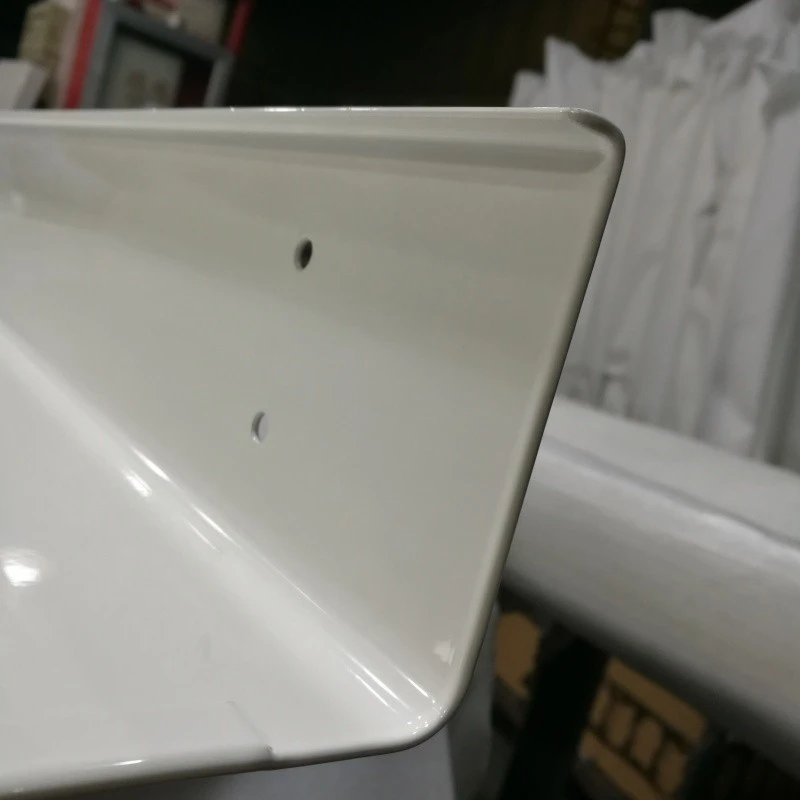
In addition to the chassis, metal enclosures are also used in other areas of the vehicle, such as the doors, hood, and trunk. These enclosures provide structural support and help to maintain the integrity of the vehicle's body. They can also be designed to absorb and dissipate energy during a collision, reducing the impact force on the vehicle's occupants.
Thermal Management
Another important application of metal enclosures in the automotive industry is thermal management. Many electronic components in vehicles generate heat during operation, and if this heat is not properly managed, it can lead to component failure and reduced performance. Metal enclosures can be designed to act as heat sinks, dissipating heat away from the electronic components and into the surrounding environment.
For example, the power electronics in electric and hybrid vehicles, such as the inverter and charger, generate a significant amount of heat during operation. These components are typically housed in metal enclosures that are designed with fins or other heat-dissipating features to increase the surface area and improve heat transfer. Additionally, metal enclosures can be used in conjunction with cooling systems, such as fans or liquid cooling, to further enhance thermal management.
Noise and Vibration Dampening
Metal enclosures can also be used to dampen noise and vibration in vehicles. The engine, transmission, and other mechanical components in a vehicle generate noise and vibration during operation, which can be transmitted throughout the vehicle and affect the comfort of the occupants. Metal enclosures can be designed to absorb and isolate these vibrations, reducing the amount of noise and vibration that reaches the cabin.
For example, the engine compartment of a vehicle is often lined with metal enclosures that are designed to absorb and dampen engine noise. These enclosures can be made from materials such as steel or aluminum, which have good acoustic properties and can effectively reduce noise transmission. Additionally, metal enclosures can be used in other areas of the vehicle, such as the suspension system, to reduce vibration and improve ride comfort.
Aesthetic and Design Considerations
In addition to their functional benefits, metal enclosures can also play an important role in the aesthetic and design of vehicles. They can be used to create a sleek and modern appearance, enhancing the overall visual appeal of the vehicle. Metal enclosures can be finished in a variety of colors and textures, allowing them to blend in with the vehicle's exterior or stand out as a design feature.
For example, the exterior body panels of a vehicle are often made from metal enclosures that are designed to provide a smooth and aerodynamic surface. These panels can be shaped and formed to create a unique and distinctive look, giving the vehicle its own personality. Additionally, metal enclosures can be used in the interior of the vehicle, such as the dashboard and door panels, to create a high-quality and luxurious feel.
Specific Types of Metal Enclosures in the Automotive Industry
As a metal enclosure supplier, we offer a wide range of products that are specifically designed for the automotive industry. Some of the most common types of metal enclosures used in vehicles include:
- Sheet Metal Packaging Shell: These enclosures are typically made from thin sheets of metal, such as steel or aluminum, and are used to package and protect electronic components. They can be designed in a variety of shapes and sizes to fit the specific requirements of the application.
- Cabinet Sheet Metal: Cabinet sheet metal enclosures are larger enclosures that are used to house larger electronic systems, such as infotainment systems and battery management systems. They are typically made from thicker sheets of metal and are designed to provide a high level of protection and security.
- Machine Sheet Metal: Machine sheet metal enclosures are used to protect mechanical components, such as engines and transmissions. They are typically made from heavy-duty sheets of metal and are designed to withstand high loads and impacts.
Conclusion
In conclusion, metal enclosures play a vital role in the automotive industry, serving a wide range of applications that contribute to the overall performance, safety, and aesthetics of vehicles. From protecting electrical and electronic components to providing structural support and thermal management, metal enclosures are essential components in modern vehicles. As a metal enclosure supplier, we are committed to providing high-quality products that meet the specific needs of the automotive industry. If you're in the automotive industry and are looking for a reliable metal enclosure supplier, we'd love to hear from you. Contact us today to discuss your requirements and learn more about our products and services.
References
- SAE International. (2021). Automotive Electronics Handbook.
- Society of Automotive Engineers. (2020). Vehicle Electrical and Electronic Systems.
- ISO 26262. (2018). Road vehicles - Functional safety.