




What are the anti - slip treatments for metal plates?
 Oct 07, 2025|
As a trusted metal plate supplier, I understand the importance of anti - slip treatments for metal plates. In various industries, the safety and functionality of metal plates can be significantly enhanced through proper anti - slip measures. This blog will explore different anti - slip treatments for metal plates, their applications, and benefits.
1. Coating Treatments
One of the most common anti - slip treatments for metal plates is applying anti - slip coatings. These coatings are designed to create a rough surface on the metal plate, increasing friction and reducing the risk of slipping.
Epoxy - based Coatings
Epoxy - based anti - slip coatings are widely used due to their durability and chemical resistance. They can be applied to a variety of metal surfaces, including steel and aluminum. The coating contains abrasive particles, such as silicon carbide or aluminum oxide, which are embedded in the epoxy matrix. When the coating dries, these particles protrude from the surface, providing an anti - slip texture.
Epoxy coatings are suitable for industrial environments where metal plates are exposed to chemicals, oils, and heavy traffic. For example, in factories, warehouses, and manufacturing plants, epoxy - coated metal plates can be used as walkways, platforms, and stair treads. The high chemical resistance of epoxy coatings also makes them ideal for applications in the food and beverage industry, where metal plates need to be cleaned regularly with harsh chemicals.
Polyurethane Coatings
Polyurethane anti - slip coatings offer excellent flexibility and weather resistance. They are often used in outdoor applications, such as bridges, ship decks, and outdoor walkways. Polyurethane coatings can withstand extreme temperatures, UV radiation, and moisture, making them suitable for long - term outdoor use.
These coatings can be formulated with different levels of slip resistance, depending on the specific application. For areas with high traffic or where there is a greater risk of slipping, a more aggressive anti - slip formulation can be used. Polyurethane coatings also provide a smooth and aesthetically pleasing finish, which is important for applications where appearance matters, such as in architectural projects.
2. Surface Texturing
Surface texturing is another effective way to enhance the anti - slip properties of metal plates. This method involves creating a pattern or texture on the metal surface to increase friction.
Embossing
Embossing is a process where a pattern is stamped onto the metal plate using a die. The pattern can be in the form of diamonds, circles, or other geometric shapes. Embossed metal plates are commonly used in flooring applications, such as in commercial buildings, airports, and subway stations.
The advantage of embossing is that it is a permanent and integral part of the metal plate. It does not wear off easily, even with heavy use. Embossed patterns can also be customized to suit the specific design requirements of the project. For example, some embossed patterns are designed to drain water quickly, which is important for outdoor applications or areas where water may accumulate, such as in bathrooms and kitchens.
Sandblasting
Sandblasting is a process where abrasive particles are propelled at high speed onto the metal surface. This creates a rough and uneven surface, increasing the friction between the metal plate and the object in contact with it. Sandblasted metal plates are often used in industrial applications, such as in machinery and equipment, where a high level of slip resistance is required.
Sandblasting can be used to create different levels of surface roughness, depending on the size and type of abrasive particles used. For applications where a very high level of slip resistance is needed, a coarser abrasive can be used. However, sandblasted surfaces may require regular cleaning to prevent the accumulation of dirt and debris, which can reduce the anti - slip effectiveness over time.
3. Anti - Slip Inserts
Anti - slip inserts are pre - fabricated components that can be attached to metal plates to provide anti - slip properties. These inserts are available in various materials and designs.
Rubber Inserts
Rubber anti - slip inserts are a popular choice due to their high friction coefficient and shock - absorbing properties. They can be easily installed on metal plates using adhesives or mechanical fasteners. Rubber inserts are commonly used in areas where there is a risk of slipping, such as on stair treads, ramps, and vehicle floors.
The soft and flexible nature of rubber inserts also makes them comfortable to walk on, reducing fatigue for workers who are on their feet for long periods. Rubber inserts can be customized in terms of size, shape, and color to match the specific requirements of the application.
Ceramic Inserts
Ceramic anti - slip inserts offer extremely high slip resistance and durability. They are made from high - quality ceramic materials that are resistant to wear, heat, and chemicals. Ceramic inserts are often used in industrial applications where metal plates are exposed to harsh conditions, such as in foundries, mines, and power plants.
The installation of ceramic inserts may require more specialized equipment and skills compared to rubber inserts. However, their long - term performance and reliability make them a cost - effective solution in the long run.
4. Applications of Anti - Slip Metal Plates
Anti - slip metal plates have a wide range of applications across different industries.
Industrial Applications
In the industrial sector, anti - slip metal plates are used in factories, warehouses, and manufacturing plants. They are used as walkways, platforms, and stair treads to ensure the safety of workers. For example, in a packaging factory, Packaging Machine Sheet Metal with anti - slip treatments can be used around packaging machines to prevent workers from slipping on spilled products or lubricants.

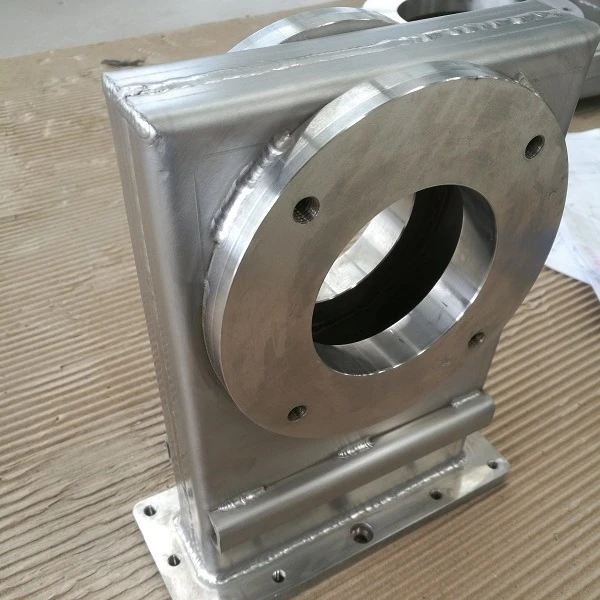
In the automotive industry, anti - slip metal plates are used in vehicle manufacturing plants. They can be used as floors in assembly lines, where workers need to move around heavy equipment and parts. Anti - slip metal plates also play an important role in the mining industry, where they are used in mineshafts, conveyor systems, and loading areas to prevent accidents caused by slipping.
Architectural Applications
In architecture, anti - slip metal plates are used in commercial buildings, public spaces, and residential projects. They can be used as flooring in lobbies, corridors, and entranceways to provide a safe and slip - resistant surface for pedestrians. For example, Building Supplies Sheet Metal with anti - slip treatments can be used in high - traffic areas of a building to reduce the risk of slips and falls.
Anti - slip metal plates are also used in outdoor architectural projects, such as in bridges, balconies, and outdoor staircases. The weather resistance of some anti - slip treatments, such as polyurethane coatings, makes them suitable for long - term outdoor use.
Medical Applications
In the medical field, anti - slip metal plates are used in hospitals, clinics, and medical device manufacturing facilities. Medical Device Sheet Metal Parts with anti - slip properties can be used as components in medical equipment, such as operating tables and diagnostic machines. The anti - slip surface ensures the safety of medical staff and patients, especially in areas where there is a risk of spills or where people need to move around quickly.
5. Choosing the Right Anti - Slip Treatment
When choosing an anti - slip treatment for metal plates, several factors need to be considered.
Application Requirements
The first factor to consider is the specific application of the metal plate. For example, if the metal plate is going to be used in an outdoor environment, a treatment with good weather resistance, such as a polyurethane coating or surface texturing, should be chosen. If the metal plate is going to be exposed to chemicals, an epoxy - based coating with high chemical resistance may be more suitable.
Slip Resistance Level
The required level of slip resistance also depends on the application. Areas with high traffic or where there is a greater risk of slipping, such as stair treads and walkways, may require a higher level of slip resistance. The slip resistance of a treatment can be measured using standardized tests, such as the coefficient of friction test.
Cost
Cost is another important factor to consider. Some anti - slip treatments, such as ceramic inserts, may be more expensive upfront but offer long - term cost savings due to their durability. Other treatments, such as epoxy coatings, may be more cost - effective for large - scale applications.
6. Conclusion
Anti - slip treatments for metal plates are essential for enhancing safety and functionality in various industries. Whether it is through coating treatments, surface texturing, or the use of anti - slip inserts, there are many options available to meet different application requirements.
As a metal plate supplier, I am committed to providing high - quality metal plates with the appropriate anti - slip treatments. If you are interested in purchasing anti - slip metal plates for your project, please feel free to contact me for more information and to discuss your specific needs. I look forward to the opportunity to work with you and provide you with the best solutions for your anti - slip metal plate requirements.
References
- ASTM International. (20XX). Standard test methods for measuring floor slipperiness.
- Industrial Flooring Association. (20XX). Guidelines for anti - slip flooring in industrial environments.
- American Society of Civil Engineers. (20XX). Design standards for anti - slip surfaces in architectural and civil engineering projects.