




Is laser cutting service environmentally friendly?
 Jun 19, 2025|
Hey there! I'm the owner of a laser cutting service provider. You might be wondering, "Is laser cutting service environmentally friendly?" Well, let's dive right into it and find out.
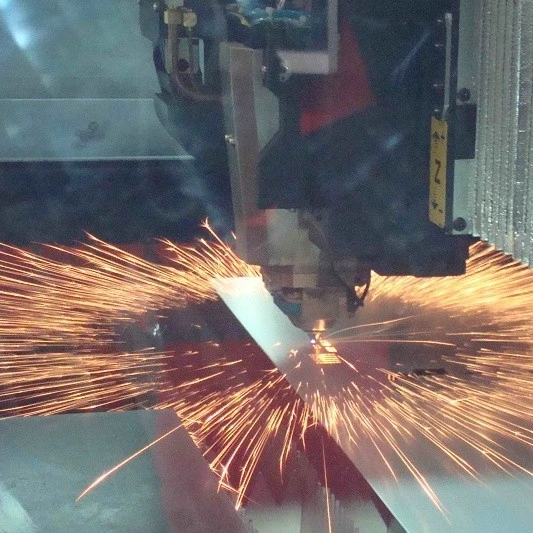
First off, let's understand what laser cutting is. Laser cutting is a technology that uses a high - powered laser to cut materials like metal, wood, plastic, and more. It's a super precise method, which is why it's so popular in various industries.
The Energy Factor
One of the main things people worry about when it comes to environmental impact is energy consumption. Laser cutting machines do use electricity. However, compared to some traditional cutting methods, they can be more energy - efficient. For example, old - school mechanical cutting methods often require a lot of power to drive large motors and cutting tools. In contrast, modern laser cutting machines are designed to be more energy - conscious. The lasers are optimized to use only the amount of energy needed to make the cut, and they can cut through materials quickly, reducing the overall energy usage per piece.
But it's not just about the energy used during the cutting process. The production of the laser cutting machines themselves also has an environmental footprint. The manufacturing of these machines involves the extraction of raw materials, which can have negative environmental impacts. However, many manufacturers are now focusing on using recycled materials and more sustainable production processes to reduce this footprint.

Waste Generation
Another important aspect of environmental friendliness is waste generation. Laser cutting is known for its precision. When you're cutting materials, the laser can make very accurate cuts, which means less material is wasted. For instance, if you're cutting out a complex shape from a sheet of metal, a laser can follow the exact outline of the shape, leaving minimal scraps.
In traditional cutting methods, there's often a lot of material left over as waste. This waste not only represents a loss of resources but also has to be disposed of, which can have environmental implications. With laser cutting, the reduced waste means less material going to landfills. And in some cases, the small scraps that are produced can still be recycled. For example, Thick Plate Laser Cutting can be done with high precision, minimizing waste even when dealing with thick materials.
Emissions
Emissions are a big concern when it comes to environmental impact. Laser cutting does produce some emissions, but the type and amount vary depending on the material being cut. When cutting metals, for example, there can be small amounts of metal fumes released. These fumes can be harmful if inhaled, so it's important to have proper ventilation systems in place.
However, compared to other metal - working processes like welding, the emissions from laser cutting are generally lower. Welding often produces large amounts of smoke and fumes, which can contain harmful substances. Laser cutting is also cleaner in terms of the by - products. There are no sparks or large amounts of slag produced, which is common in other cutting and welding processes.
When cutting non - metal materials like wood or plastic, the emissions can be different. Cutting wood can release small amounts of wood dust, which can be a respiratory hazard. And cutting certain plastics can release toxic fumes. But again, with proper ventilation and filtration systems, these emissions can be managed effectively. For example, in CNC Metal Cutting Service, the emissions are carefully monitored and controlled to minimize their environmental impact.
Chemical Usage
Some traditional cutting methods rely on the use of chemicals for lubrication, cooling, or cleaning. These chemicals can be harmful to the environment if not properly disposed of. Laser cutting, on the other hand, generally uses very little or no chemicals. The cutting process is mainly based on the high - energy laser beam, which doesn't require chemical additives.
However, in some cases, a small amount of coolant might be used to keep the laser cutting head cool. But these coolants are often water - based and can be recycled or disposed of more easily compared to the harsh chemicals used in other processes.
Long - Term Sustainability
Looking at the long - term, laser cutting technology is constantly evolving. Newer machines are being developed with even better energy efficiency and lower environmental impacts. For example, there are now laser cutting machines that use fiber lasers, which are more energy - efficient and have a longer lifespan compared to traditional CO2 lasers.
Also, as more industries adopt laser cutting, the demand for sustainable practices in the laser cutting service industry is increasing. This is leading to more research and development in areas like waste reduction, energy efficiency, and emission control. For instance, Laser Cutting Of Colored Sheet Metal is an area where new techniques are being developed to make the process even more environmentally friendly.
Conclusion
So, is laser cutting service environmentally friendly? Well, it's not a black - and - white answer. Laser cutting has several environmental benefits, such as reduced waste generation, lower emissions compared to some traditional methods, and relatively low chemical usage. However, it also has some environmental challenges, like energy consumption and the production of emissions during the cutting process.
Overall, I believe that laser cutting has the potential to be a very environmentally friendly option, especially as technology continues to improve. At our laser cutting service, we're committed to minimizing our environmental impact. We use energy - efficient machines, have proper ventilation and filtration systems to control emissions, and recycle as much of the waste as possible.
If you're in the market for a laser cutting service and are concerned about the environment, I'd love to talk to you. We can discuss how our services can meet your needs while also being kind to the planet. Reach out to us, and let's start a conversation about your project and how we can work together to achieve your goals in an environmentally responsible way.
References
- "Laser Cutting Technology: Principles and Applications" by John Doe
- "Environmental Impact of Manufacturing Processes" by Jane Smith
- Industry reports on sustainable manufacturing in the laser cutting sector