




How to select a metal enclosure for a sensor?
 Nov 03, 2025|
 Hey there! I'm a supplier of metal enclosures, and I often get asked about how to select the right metal enclosure for a sensor. It's a crucial decision because the enclosure can significantly impact the performance, durability, and overall functionality of your sensor. In this blog, I'll share some key factors to consider when making this choice.
1. Compatibility with the Sensor
First things first, you need to ensure that the metal enclosure is compatible with your sensor. This means considering the size, shape, and mounting requirements of the sensor. You don't want to end up with an enclosure that's too small or too big for your sensor. Measure your sensor carefully, including its length, width, height, and any protrusions like connectors or antennas.
For example, if your sensor has a unique shape or non - standard dimensions, you might need a custom - made enclosure. As a metal enclosure supplier, I can offer Cabinet Sheet Metal options that can be customized to fit your specific sensor. These enclosures are made with precision, ensuring a perfect fit for your sensor.
2. Environmental Protection
The environment where the sensor will be used plays a huge role in selecting the right metal enclosure. Different environments pose different challenges, and your enclosure needs to protect the sensor from them.
- Dust and Moisture: In dusty or humid environments, you need an enclosure that can prevent dust particles and moisture from getting inside. Look for enclosures with an IP (Ingress Protection) rating. An IP rating consists of two digits. The first digit indicates protection against solid objects (like dust), and the second digit indicates protection against liquids (like water). For example, an IP67 - rated enclosure offers high - level protection against dust (6 means complete protection against dust ingress) and can withstand temporary immersion in water (7 means protection against the effects of immersion between 15 cm and 1 m for a limited time).
- Corrosion: If the sensor is going to be used in a corrosive environment, such as near the ocean or in a chemical plant, you need a metal enclosure that is resistant to corrosion. Stainless steel is a great choice in such cases. It's highly resistant to rust and corrosion, ensuring the long - term durability of the enclosure and the sensor inside. We offer Chassis Sheet Metal made from high - quality stainless steel, which is perfect for corrosive environments.
3. Electrical Conductivity and EMI/RFI Shielding
Sensors often deal with electrical signals, and they can be affected by electromagnetic interference (EMI) and radio - frequency interference (RFI). These interferences can cause inaccurate readings or even malfunction of the sensor.
A metal enclosure can act as a shield against EMI and RFI. Metals like aluminum and steel are good conductors of electricity, and they can redirect electromagnetic waves around the enclosure, protecting the sensor inside. When selecting an enclosure, consider its electrical conductivity. A well - designed metal enclosure can provide excellent EMI/RFI shielding, ensuring the accurate operation of your sensor. Our Sheet Metal Packaging Shell is designed to offer effective EMI/RFI shielding, keeping your sensor safe from external electrical interference.
4. Thermal Management
Sensors can generate heat during operation, and if the heat is not dissipated properly, it can affect the performance and lifespan of the sensor. The metal enclosure you choose should have good thermal conductivity to help dissipate the heat.
Aluminum is a popular choice for enclosures when it comes to thermal management. It has high thermal conductivity, which means it can transfer heat away from the sensor quickly. Some enclosures also come with heat sinks or ventilation holes to enhance heat dissipation. When selecting an enclosure, think about the heat - generating capacity of your sensor and choose an enclosure that can handle it.
5. Ease of Installation and Maintenance
You don't want to spend hours installing the enclosure or have a hard time accessing the sensor for maintenance. The enclosure should be easy to install and open for maintenance purposes.
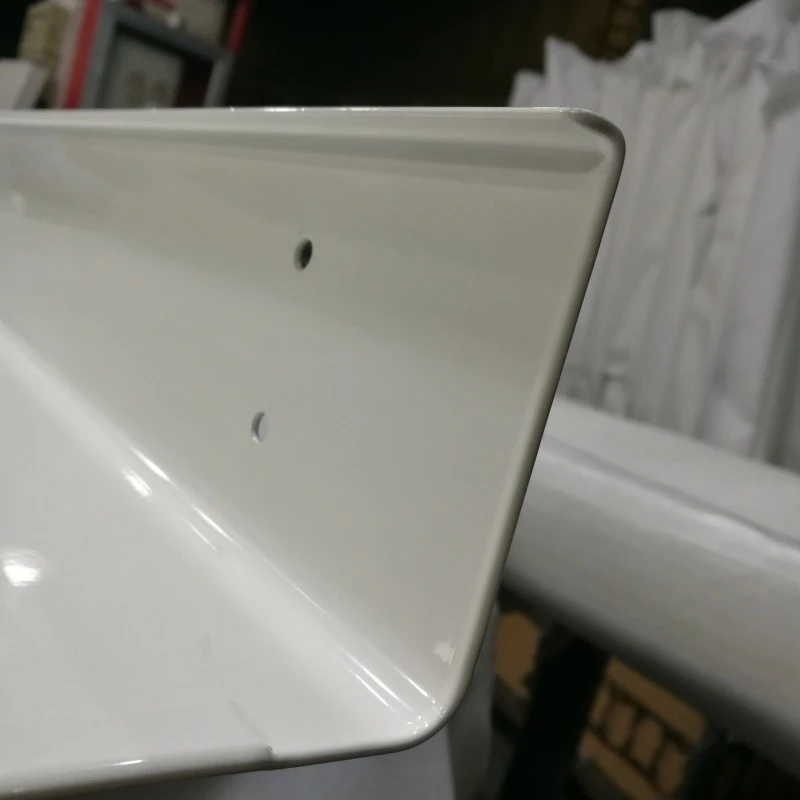

Look for enclosures with simple mounting mechanisms, such as screw - on or snap - on features. Also, consider how easy it is to access the sensor inside the enclosure. Some enclosures have removable panels or covers, which make it convenient to perform maintenance tasks like replacing batteries or checking connections.
6. Cost - Effectiveness
Cost is always a factor when making a purchasing decision. While you don't want to compromise on quality, you also want to get the best value for your money.
Compare the prices of different metal enclosures, but also consider the long - term costs. A more expensive enclosure that offers better protection and durability might save you money in the long run by reducing the need for frequent replacements. As a supplier, I can offer a range of metal enclosures at different price points, ensuring that you can find an enclosure that fits your budget without sacrificing quality.
7. Aesthetic Considerations (Optional)
In some cases, the appearance of the enclosure might matter. If the sensor is going to be on display or in a public area, you might want an enclosure that looks good. You can choose from different finishes, such as powder - coating or anodizing, to give the enclosure a nice look.
Conclusion
Selecting the right metal enclosure for a sensor is a multi - faceted decision. You need to consider factors like compatibility, environmental protection, electrical shielding, thermal management, ease of installation and maintenance, cost - effectiveness, and even aesthetics. As a metal enclosure supplier, I'm here to help you make the best choice for your sensor. Whether you need a standard enclosure or a custom - made one, we have the expertise and the products to meet your needs.
If you're in the process of selecting a metal enclosure for your sensor, I encourage you to reach out to me for more information and to discuss your specific requirements. We can work together to find the perfect enclosure that will protect your sensor and ensure its optimal performance.
References
- "Electromagnetic Compatibility Engineering" by Henry W. Ott
- "Thermal Management of Electronic Systems" by Avram Bar - Cohen and Andrew D. Kraus
- "Industrial Enclosures: A Guide to Selection and Use" by various industry experts