




How to protect metal brackets in a marine environment?
 Oct 03, 2025|
Hey there! I'm a supplier of metal brackets, and I know firsthand how tough it can be to keep these things in good shape, especially in a marine environment. The salty air, constant moisture, and corrosive elements can really take a toll on metal brackets. But don't worry, I've got some tips and tricks to help you protect your metal brackets and make them last longer.
First off, let's talk about why metal brackets are so vulnerable in a marine setting. Saltwater is a major culprit. It contains ions that can accelerate the corrosion process. When metal comes into contact with saltwater, a chemical reaction occurs, leading to the formation of rust. And once rust starts, it can spread quickly, weakening the bracket and reducing its structural integrity.
Another factor is the constant exposure to moisture. Even when it's not raining, the high humidity in a marine environment means that metal brackets are often damp. This moisture can also contribute to corrosion, especially if the metal isn't properly protected.
So, how can you protect your metal brackets in a marine environment? Here are some strategies that I recommend:
1. Choose the Right Material
The first step in protecting your metal brackets is to choose the right material in the first place. Some metals are more resistant to corrosion than others. For example, stainless steel is a popular choice for marine applications because it contains chromium, which forms a protective oxide layer on the surface of the metal. This layer helps prevent rust and corrosion.
Aluminum is another good option. It's lightweight, strong, and naturally resistant to corrosion. Aluminum forms a thin oxide layer on its surface that protects it from further oxidation. However, it's important to note that aluminum can still corrode in certain conditions, especially if it comes into contact with other metals in the presence of saltwater.

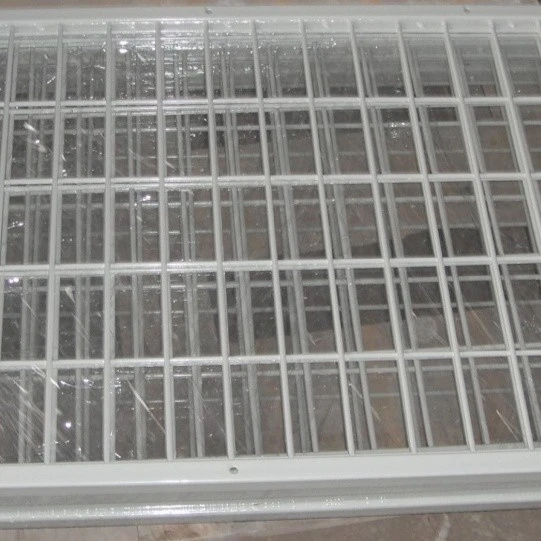
2. Apply a Protective Coating
Even if you choose a corrosion-resistant metal, it's still a good idea to apply a protective coating to your brackets. There are several types of coatings available, each with its own advantages.
- Paint: A high-quality marine paint can provide a barrier between the metal and the environment. Look for paints that are specifically designed for use in marine applications, as they are formulated to withstand the harsh conditions. Make sure to prepare the surface of the bracket properly before painting to ensure good adhesion.
- Powder Coating: Powder coating is a durable and long-lasting option. It involves applying a dry powder to the metal surface and then baking it in an oven to form a hard, protective layer. Powder coating is resistant to chipping, scratching, and fading, making it ideal for marine applications.
- Galvanizing: Galvanizing is the process of coating the metal with a layer of zinc. Zinc is more reactive than iron, so it corrodes first, protecting the underlying metal. Galvanized brackets are commonly used in marine environments because they offer excellent corrosion resistance.
3. Regular Maintenance
Regular maintenance is key to keeping your metal brackets in good condition. Here are some maintenance tasks that you should perform regularly:
- Inspect the Brackets: Check your brackets regularly for signs of corrosion, damage, or wear. Look for rust spots, cracks, or loose connections. If you notice any problems, address them immediately to prevent further damage.
- Clean the Brackets: Clean your brackets regularly to remove dirt, salt, and other debris. Use a mild detergent and water to clean the surface of the brackets, and then rinse them thoroughly with fresh water. Avoid using abrasive cleaners or tools that could scratch the surface of the metal.
- Lubricate Moving Parts: If your brackets have moving parts, such as hinges or bolts, lubricate them regularly to prevent corrosion and ensure smooth operation. Use a marine-grade lubricant that is resistant to water and salt.
4. Isolate the Metal
In a marine environment, it's important to isolate the metal brackets from other metals to prevent galvanic corrosion. Galvanic corrosion occurs when two different metals are in contact with each other in the presence of an electrolyte, such as saltwater. The more reactive metal will corrode faster than the less reactive metal.
To prevent galvanic corrosion, you can use insulating materials, such as rubber gaskets or plastic sleeves, to separate the metal brackets from other metals. You can also use non-metallic fasteners, such as nylon bolts or screws, to avoid direct contact between different metals.
5. Provide Adequate Drainage
Moisture can accumulate in the brackets if there is no proper drainage. This can lead to corrosion and other problems. Make sure that your brackets are designed with adequate drainage holes to allow water to drain away. You can also install drip edges or gutters to direct water away from the brackets.
Examples of Our Metal Brackets
We offer a wide range of metal brackets that are suitable for marine applications. Here are some examples:
- Guardrail Bracket: Our guardrail brackets are made from high-quality stainless steel or aluminum and are designed to provide strong support for guardrails in marine environments. They are available in various sizes and styles to meet your specific needs.
- Circular Pipe Bracket: Our circular pipe brackets are ideal for supporting pipes in marine applications. They are made from corrosion-resistant materials and are designed to withstand the harsh conditions of the marine environment.
- Car Water Tank Bracket: Our car water tank brackets are designed to provide secure support for water tanks in marine vehicles. They are made from durable materials and are available in different sizes and configurations.
If you're in the market for metal brackets for your marine project, we'd love to hear from you. Our team of experts can help you choose the right brackets for your needs and provide you with all the information you need to protect them in a marine environment. Contact us today to start the conversation and discuss your procurement requirements.
References
- "Corrosion of Metals in the Marine Environment." National Association of Corrosion Engineers (NACE).
- "Marine Coatings: A Guide to Protection and Performance." International Paint.
- "Stainless Steel in Marine Applications." The Nickel Institute.