




How to prevent rust on a steel sheet metal bracket?
 Sep 02, 2025|
As a sheet metal bracket supplier, I've seen firsthand the challenges that rust can pose to these essential components. Rust not only affects the aesthetics of steel sheet metal brackets but also compromises their structural integrity, leading to potential safety hazards and costly replacements. In this blog post, I'll share some effective strategies on how to prevent rust on steel sheet metal brackets, ensuring their longevity and performance.
Understanding Rust and Its Causes
Before delving into prevention methods, it's crucial to understand what rust is and what causes it. Rust, scientifically known as iron oxide, is a chemical reaction that occurs when iron or steel comes into contact with oxygen and water. This reaction is accelerated in the presence of salt, acids, or other contaminants.
In the case of steel sheet metal brackets, exposure to moisture, either from humidity in the air or direct contact with water, is the primary culprit. Outdoor applications, such as Guardrail Bracket installations, are particularly susceptible to rust due to constant exposure to the elements. Additionally, industrial environments with high levels of pollution or chemical exposure can also increase the risk of rust formation.
Surface Preparation
Proper surface preparation is the foundation of any rust prevention strategy. Before applying any protective coating, the steel sheet metal bracket must be thoroughly cleaned and free of dirt, grease, and oxidation. Here are the steps involved in surface preparation:
- Degreasing: Use a degreaser to remove any oil, grease, or contaminants from the surface of the bracket. This can be done by wiping the bracket with a cloth soaked in degreaser or by immersing it in a degreasing solution.
- Abrasive Cleaning: After degreasing, the surface of the bracket should be abrasive cleaned to remove any rust, scale, or oxidation. This can be achieved through methods such as sandblasting, wire brushing, or grinding. Abrasive cleaning not only removes the existing rust but also creates a rough surface that improves the adhesion of the protective coating.
- Rinsing and Drying: Once the bracket has been abrasive cleaned, it should be rinsed thoroughly with clean water to remove any residual abrasive particles. After rinsing, the bracket should be dried completely to prevent the formation of new rust.
Protective Coatings
Applying a protective coating is one of the most effective ways to prevent rust on steel sheet metal brackets. There are several types of protective coatings available, each with its own advantages and disadvantages. Here are some common types of protective coatings:
- Paint: Paint is a widely used protective coating for steel sheet metal brackets. It provides a barrier between the metal and the environment, preventing oxygen and water from coming into contact with the metal surface. There are different types of paint available, such as epoxy, polyurethane, and acrylic. Epoxy paint is known for its excellent adhesion and corrosion resistance, making it a popular choice for industrial applications. Polyurethane paint offers good flexibility and weather resistance, making it suitable for outdoor applications. Acrylic paint is relatively inexpensive and easy to apply, making it a popular choice for general-purpose applications.
- Powder Coating: Powder coating is a dry finishing process that involves applying a fine powder to the surface of the steel sheet metal bracket. The powder is then cured under heat, forming a hard, durable coating. Powder coating offers several advantages over traditional paint, including better adhesion, greater durability, and a more uniform finish. It is also more environmentally friendly than paint, as it produces less waste and emissions.
- Galvanizing: Galvanizing is a process of coating the steel sheet metal bracket with a layer of zinc. Zinc is a sacrificial metal that corrodes preferentially to steel, providing a protective barrier against rust. There are two main types of galvanizing: hot-dip galvanizing and electro-galvanizing. Hot-dip galvanizing involves immersing the bracket in a bath of molten zinc, resulting in a thick, durable coating. Electro-galvanizing, on the other hand, involves depositing a thin layer of zinc onto the bracket using an electric current. Hot-dip galvanizing is more commonly used for outdoor applications, while electro-galvanizing is often used for indoor applications where a thinner coating is sufficient.
Proper Storage and Handling
In addition to surface preparation and protective coatings, proper storage and handling of steel sheet metal brackets are also important to prevent rust. Here are some tips on how to store and handle steel sheet metal brackets:

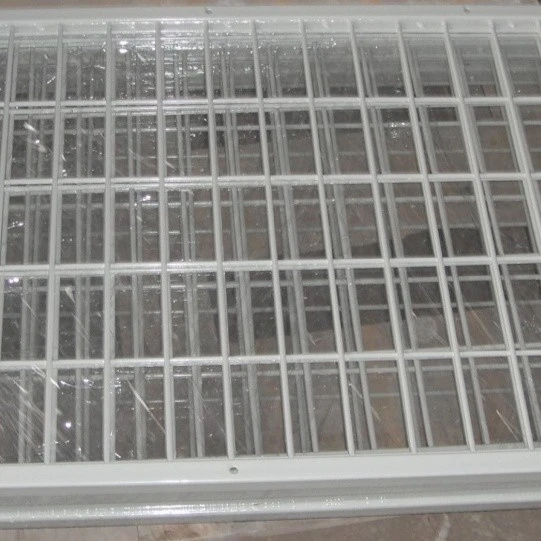
- Store in a Dry Environment: Steel sheet metal brackets should be stored in a dry, well-ventilated area to prevent exposure to moisture. Avoid storing the brackets in areas prone to flooding or high humidity, such as basements or near water sources.
- Protect from Physical Damage: During storage and handling, the steel sheet metal brackets should be protected from physical damage, such as scratches or dents. Physical damage can compromise the integrity of the protective coating, making the bracket more susceptible to rust.
- Use Protective Packaging: When transporting the steel sheet metal brackets, they should be packed in protective packaging to prevent damage and exposure to the elements. Protective packaging can include cardboard boxes, plastic bags, or foam inserts.
Regular Inspection and Maintenance
Regular inspection and maintenance are essential to ensure the long-term effectiveness of the rust prevention measures. Here are some tips on how to inspect and maintain steel sheet metal brackets:
- Visual Inspection: Regularly inspect the steel sheet metal brackets for signs of rust, such as discoloration, flaking, or pitting. If any signs of rust are detected, the affected area should be cleaned and recoated as soon as possible.
- Touch-up Coating: Over time, the protective coating on the steel sheet metal brackets may become damaged or worn. To prevent rust from forming in these areas, touch-up coating should be applied as needed. Touch-up coating can be done using a brush or spray can.
- Monitoring the Environment: In addition to inspecting the steel sheet metal brackets themselves, it is also important to monitor the environment in which they are installed. If the environment is particularly harsh or corrosive, additional rust prevention measures may be necessary.
Conclusion
Preventing rust on steel sheet metal brackets is essential to ensure their longevity and performance. By following the strategies outlined in this blog post, including proper surface preparation, applying a protective coating, proper storage and handling, and regular inspection and maintenance, you can effectively prevent rust from forming on your steel sheet metal brackets.
As a Sheet Metal Bracket supplier, we are committed to providing high-quality products and solutions to our customers. If you have any questions or need further information on rust prevention for steel sheet metal brackets, please don't hesitate to contact us. We would be happy to assist you with your specific needs and requirements. Whether you are looking for Hot-dip Galvanized Staircase Bracket or other types of sheet metal brackets, we have the expertise and resources to meet your needs.
References
- ASTM International. (2019). Standard Guide for Preparation of Iron and Steel Surfaces for Painting. ASTM D 4258-18.
- NACE International. (2017). Inspection of Protective Coatings on Steel Structures. NACE No. 2/SSPC-VIS 1.
- Sherwin-Williams. (2020). Protective Coatings Technical Manual.