




How to optimize the production layout for precision sheet metal manufacturing?
 Jun 17, 2025|
Hey there! I'm a supplier in the precision sheet metal manufacturing industry. Over the years, I've learned a thing or two about optimizing production layouts. And let me tell you, it can make a world of difference in our business.
First off, why is optimizing the production layout so important? Well, in precision sheet metal manufacturing, every little detail matters. A well - optimized layout can improve efficiency, reduce costs, and enhance product quality. When everything is in the right place, workers can move around easily, machines can operate smoothly, and the overall workflow becomes a whole lot better.
One of the first steps in optimizing the layout is to understand the process. In precision sheet metal manufacturing, we usually start with cutting the metal sheets. Then comes bending, welding, and finishing. Each of these steps needs to be carefully considered when planning the layout. For example, the cutting area should be close to the raw material storage area. This way, it's easy to get the sheets to the cutting machines without wasting time on long transports.
Let's talk about the importance of space utilization. In our factory, space is a valuable resource. We need to make sure that every square foot is used effectively. One way to do this is by using modular workstations. These workstations can be easily moved and reconfigured according to our production needs. For instance, if we're working on a large order of Seat Component Assembly, we can arrange the workstations in a way that allows for a smooth assembly line.
Another key aspect is the flow of materials. We don't want materials to sit around for too long. They should move through the production process as quickly as possible. To achieve this, we can set up a just - in - time (JIT) inventory system. With JIT, we only order and receive materials when we need them. This reduces the amount of storage space required and also minimizes the risk of material waste.
When it comes to machine placement, it's crucial to consider the interaction between different machines. For example, if a bending machine is frequently used after a cutting machine, they should be placed close to each other. This reduces the time it takes to transfer the cut sheets to the bending machine. Also, we need to make sure that there is enough space around each machine for maintenance and operator access.
Safety is also a top priority in our production layout. We need to ensure that there are clear pathways for workers to move around the factory. Fire exits should be easily accessible, and safety equipment like fire extinguishers and first - aid kits should be placed in strategic locations. Moreover, machines should be guarded properly to prevent accidents.
Now, let's think about the future. Our production needs may change over time. Maybe we'll start manufacturing Aluminum Products Manufacturing or take on more complex projects. So, our layout should be flexible enough to adapt to these changes. We can design the layout with some extra space or use equipment that can be easily upgraded or replaced.
In addition to the physical layout, we also need to consider the information flow. In today's digital age, real - time data is essential for efficient production. We can use sensors and monitoring systems to track the progress of each job, the status of machines, and the inventory levels. This data can be used to make informed decisions and optimize the production process further.

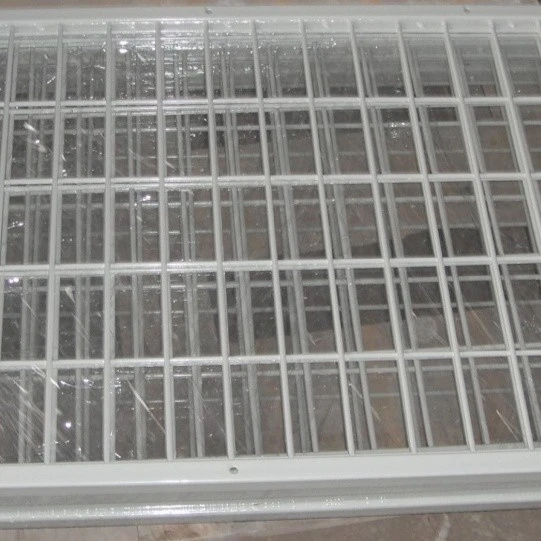
Let's take a look at an example. Suppose we're manufacturing Guardrail Bracket. We start by cutting the metal sheets according to the required dimensions. Then, we bend the sheets to form the bracket shape. After that, we weld the parts together and finally, apply a finishing treatment. If our layout is optimized, the worker can easily move the sheets from one station to another without any hassle. The cutting machine is close to the bending machine, and the welding area is conveniently located for the bent parts. This way, we can produce more brackets in less time and with better quality.
To sum it up, optimizing the production layout for precision sheet metal manufacturing is a continuous process. It requires careful planning, attention to detail, and a willingness to adapt. By focusing on space utilization, material flow, machine placement, safety, and information flow, we can create a layout that maximizes efficiency and productivity.
If you're in the market for precision sheet metal products, I'd love to have a chat with you. Whether you need a small batch of custom - made parts or a large - scale production run, I'm confident that I can meet your needs. Let's start a conversation and see how we can work together to achieve your goals.
References
- "Lean Manufacturing for Sheet Metal Fabrication" by Industry Week
- "Optimizing Factory Layouts for Improved Productivity" from Manufacturing.net
- "Precision Sheet Metal Production: Best Practices" in Metalworking Magazine