




How to measure a sheet metal bracket?
 Jul 03, 2025|
 Hey there! As a sheet metal bracket supplier, I often get asked about how to measure these brackets accurately. It's a crucial step, whether you're a DIY enthusiast working on a home project or a professional in the manufacturing industry. In this blog, I'll share some tips and methods on how to measure a sheet metal bracket like a pro.
Why Accurate Measurements Matter
Before we dive into the measuring process, let's talk about why getting accurate measurements is so important. When you're working with sheet metal brackets, precision is key. A small error in measurement can lead to a bracket that doesn't fit properly, which can cause all sorts of problems. For example, if you're using a Car Water Tank Bracket in a vehicle, an ill-fitting bracket could lead to leaks or even damage to the water tank. In industrial settings, inaccurate brackets can disrupt production lines and cause costly delays. So, taking the time to measure correctly is definitely worth it.
Tools You'll Need
To measure a sheet metal bracket, you'll need a few basic tools. Here's what I recommend:
- Tape Measure: A good-quality tape measure is essential for measuring the overall length, width, and height of the bracket. Make sure it's long enough to measure the largest dimensions of the bracket you're working with.
- Calipers: Calipers are great for measuring the thickness of the sheet metal and the diameter of any holes or rivets in the bracket. There are two types of calipers: digital and mechanical. Digital calipers are more precise and easier to read, but mechanical calipers are also a reliable option.
- Square: A square is used to check if the angles of the bracket are 90 degrees. This is important for ensuring that the bracket will fit properly in its intended application.
- Protractor: If the bracket has non - 90 - degree angles, a protractor will help you measure these angles accurately.
Measuring the Dimensions
Let's start with the basic dimensions of the bracket.

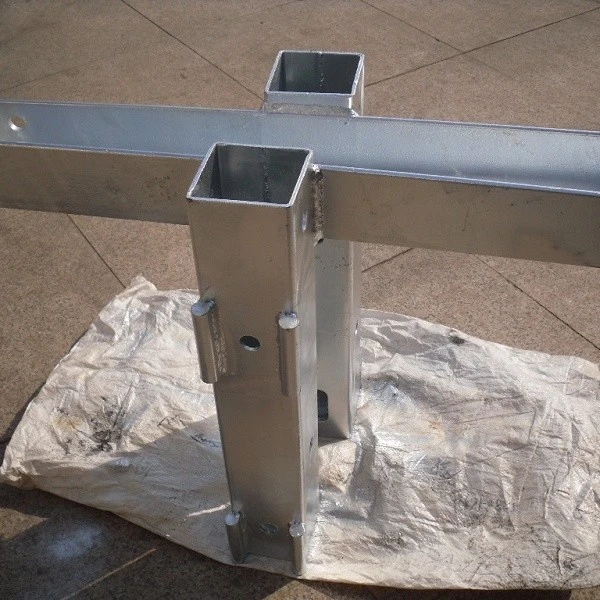
- Length and Width: Use your tape measure to measure the longest and widest parts of the bracket. Make sure to measure from the outer edges of the bracket. If the bracket has a curved or irregular shape, you may need to measure multiple sections and add them together to get the total length or width.
- Height: Measure the height of the bracket from the base to the top. This is especially important if the bracket has a three - dimensional shape.
- Thickness: Use your calipers to measure the thickness of the sheet metal. Place the calipers on the edge of the bracket and close them until they touch the metal on both sides. Read the measurement on the caliper display or scale.
Measuring Holes and Rivets
Many sheet metal brackets have holes or rivets for mounting or attaching other components. Here's how to measure them:
- Hole Diameter: Use your calipers to measure the diameter of the holes. Place the calipers inside the hole and open them until they touch the sides of the hole. Read the measurement on the caliper display or scale.
- Hole Spacing: Measure the distance between the centers of the holes using your tape measure. This is important for ensuring that the bracket will line up with the corresponding holes in the mounting surface.
- Rivet Diameter and Length: If the bracket has rivets, measure the diameter of the rivet head and the length of the rivet shaft using your calipers.
Measuring Angles
If the bracket has angled sections, you'll need to measure these angles accurately.
- 90 - Degree Angles: Use a square to check if the angles are 90 degrees. Place the square against the two sides of the angle and see if it fits perfectly. If it does, the angle is 90 degrees.
- Non - 90 - Degree Angles: For non - 90 - degree angles, use a protractor. Place the protractor on the angle and align the center of the protractor with the vertex of the angle. Read the measurement on the protractor scale.
Measuring Complex Shapes
Some sheet metal brackets have complex shapes that are difficult to measure using traditional tools. In these cases, you may need to use a 3D scanner or a coordinate measuring machine (CMM).
- 3D Scanner: A 3D scanner can create a digital model of the bracket, which you can then use to measure its dimensions accurately. This is a great option for brackets with complex curves or irregular shapes.
- Coordinate Measuring Machine (CMM): A CMM is a more advanced measuring tool that uses a probe to measure the coordinates of points on the surface of the bracket. This allows you to measure the bracket with a high degree of precision, even for very complex shapes.
Double - Checking Your Measurements
Once you've taken all the measurements, it's a good idea to double - check them. Measure each dimension at least twice to make sure you get the same result. If there are any discrepancies, take the measurements again and try to identify the source of the error.
Tips for Accurate Measurements
Here are some additional tips to help you get accurate measurements:
- Take Your Time: Rushing through the measuring process can lead to mistakes. Take your time and make sure you're measuring each dimension carefully.
- Use a Stable Surface: Place the bracket on a stable surface when measuring to prevent it from moving or shifting.
- Read the Measurements Correctly: Make sure you're reading the measurements on your tools correctly. If you're using a digital caliper, make sure the display is clear and easy to read.
Conclusion
Measuring a sheet metal bracket accurately is an important skill for anyone working with these components. By using the right tools and following the steps outlined in this blog, you can ensure that you get precise measurements every time. Whether you're using a Square Tube Bracket for a construction project or a Sheet Metal Bracket for an industrial application, accurate measurements are essential for a successful installation.
If you're in the market for high - quality sheet metal brackets and need more advice on measurements or any other aspect of our products, don't hesitate to reach out. We're here to help you find the perfect solution for your needs. Let's start a conversation about your requirements and see how we can work together.
References
- "Sheet Metal Fabrication Handbook" by Jack Beuth
- "Precision Measurement Techniques" by John Doe