




Can I add ventilation holes to a metal enclosure?
 Aug 08, 2025|
 Hey there! As a metal enclosure supplier, I often get asked a bunch of questions about our products. One question that pops up quite a bit is, "Can I add ventilation holes to a metal enclosure?" Well, let's dig into this topic and see what's what.
First off, let's talk about why someone might want to add ventilation holes to a metal enclosure in the first place. There are a few good reasons. For one, electronic components inside the enclosure can generate a lot of heat. If that heat isn't dissipated properly, it can lead to all sorts of problems. Components might overheat, which can reduce their lifespan or even cause them to fail completely. Ventilation holes allow air to flow in and out of the enclosure, helping to carry away that excess heat and keep everything running at a nice, cool temperature.
Another reason could be to prevent the buildup of moisture. In some environments, there might be a lot of humidity, and if the air inside the enclosure can't circulate, moisture can condense on the components. This can lead to corrosion and other issues that can damage the equipment. Ventilation holes can help keep the air moving and reduce the chances of moisture buildup.
So, can you actually add ventilation holes to a metal enclosure? The short answer is yes, you can. But there are a few things you need to consider before you go drilling holes all over the place.
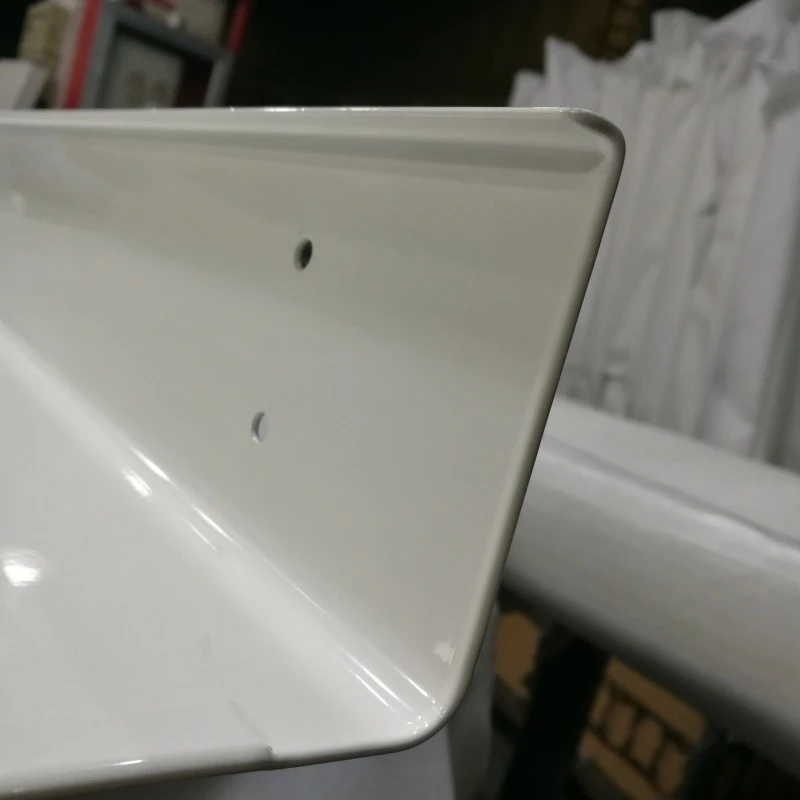

Design Considerations
One of the first things you need to think about is the design of the enclosure. You can't just randomly punch holes anywhere. The location and size of the ventilation holes are crucial. You want to make sure that the holes are placed in areas where the air can flow freely. For example, it's a good idea to have intake holes at the bottom of the enclosure and exhaust holes at the top. This takes advantage of the natural tendency of hot air to rise, creating a natural convection current that helps to draw cool air in and push hot air out.
The size of the holes also matters. If the holes are too small, they might not allow enough air to flow through, and if they're too big, they could compromise the structural integrity of the enclosure. You also need to think about the shape of the holes. Round holes are a popular choice because they're easy to drill and they distribute stress evenly around the perimeter. But you could also use other shapes, like slots or louvers, depending on your specific needs.
Manufacturing Process
Once you've figured out the design, you need to think about the manufacturing process. There are a few different ways to add ventilation holes to a metal enclosure. One of the most common methods is drilling. Drilling is a relatively simple and cost-effective way to create holes in metal. You can use a drill press or a handheld drill, depending on the size and complexity of the enclosure.
Another option is punching. Punching involves using a punch press to create holes in the metal. This method is faster than drilling and can be more precise, especially for large quantities of enclosures. However, it requires a special tooling, so it might not be the best option if you only need to make a few enclosures.
If you're looking for a more precise and flexible option, you could consider laser cutting. Laser cutting uses a high-powered laser to cut through the metal, creating clean and accurate holes. This method is great for creating complex shapes and patterns, but it can be more expensive than drilling or punching.
Environmental Factors
You also need to think about the environment in which the enclosure will be used. If the enclosure is going to be used in a dusty or dirty environment, you might need to add filters to the ventilation holes to prevent dust and debris from getting inside. You could use mesh filters or foam filters, depending on the level of protection you need.
If the enclosure is going to be exposed to water or other liquids, you need to make sure that the ventilation holes are designed to prevent water from getting inside. You could use gaskets or seals around the holes to keep water out.
Compatibility with Equipment
Another important consideration is the compatibility of the ventilation holes with the equipment inside the enclosure. You need to make sure that the holes don't interfere with the operation of the equipment. For example, if there are sensitive electronic components inside the enclosure, you might need to make sure that the holes are far enough away to prevent electromagnetic interference.
You also need to think about the security of the equipment. If the enclosure is used to house valuable or sensitive equipment, you need to make sure that the ventilation holes don't provide an easy way for someone to access the inside of the enclosure. You could use grilles or covers over the holes to prevent unauthorized access.
Our Products and Solutions
At our company, we offer a wide range of metal enclosures, including Sheet Metal Packaging Shell, Cabinet Sheet Metal, and Machine Sheet Metal. We can help you design and manufacture enclosures with ventilation holes that meet your specific needs.
Our team of experts has years of experience in the metal enclosure industry, and we can provide you with professional advice and guidance on the best way to add ventilation holes to your enclosure. We use the latest manufacturing techniques and equipment to ensure that the ventilation holes are of the highest quality and that they meet all of your requirements.
Cost Considerations
Adding ventilation holes to a metal enclosure will add to the cost of the enclosure. The exact cost will depend on a few factors, such as the size and number of holes, the manufacturing process, and the type of material used. Drilling is usually the cheapest option, followed by punching, and then laser cutting. However, you need to balance the cost with the benefits. A well-designed ventilation system can help to improve the performance and reliability of the equipment inside the enclosure, which can ultimately save you money in the long run.
Conclusion
So, to sum it up, yes, you can add ventilation holes to a metal enclosure. But it's important to consider the design, manufacturing process, environmental factors, and compatibility with the equipment before you make any decisions. If you're looking for a reliable and professional metal enclosure supplier, we're here to help. We can work with you to design and manufacture an enclosure with ventilation holes that meets your specific needs and budget.
If you're interested in learning more about our metal enclosures or have any questions about adding ventilation holes, please don't hesitate to contact us. We'd love to have a chat with you and discuss your requirements. Whether you're a small business looking for a custom enclosure or a large corporation in need of a high-volume production run, we've got the expertise and resources to help you out.
References
- "Metal Enclosure Design Handbook" - A comprehensive guide to designing metal enclosures with ventilation considerations.
- "Manufacturing Processes for Metal Enclosures" - A technical resource that covers different methods of adding ventilation holes to metal.
- "Environmental Factors in Metal Enclosure Design" - A study on how the environment affects the design and function of ventilation holes in metal enclosures.